Running the way it should
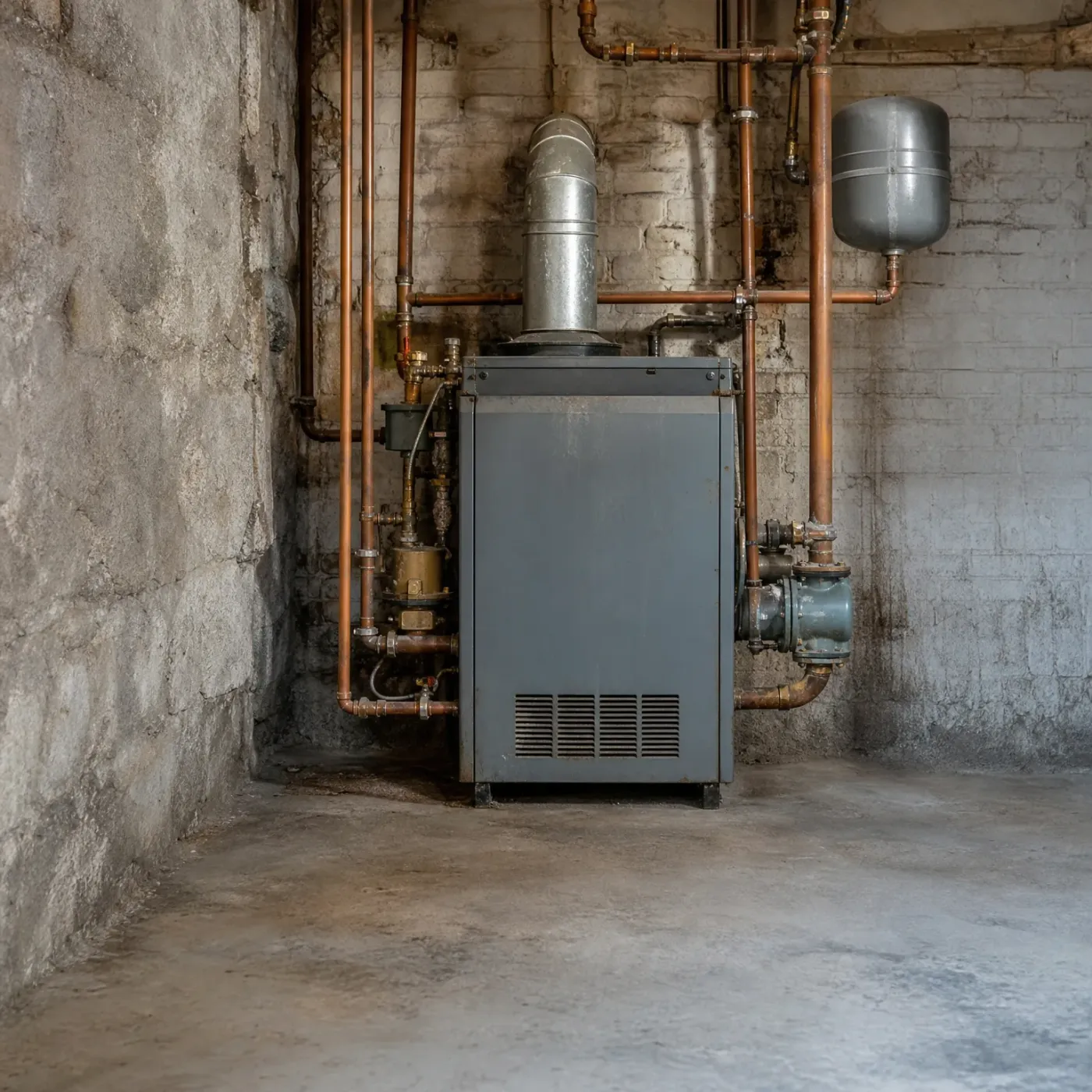
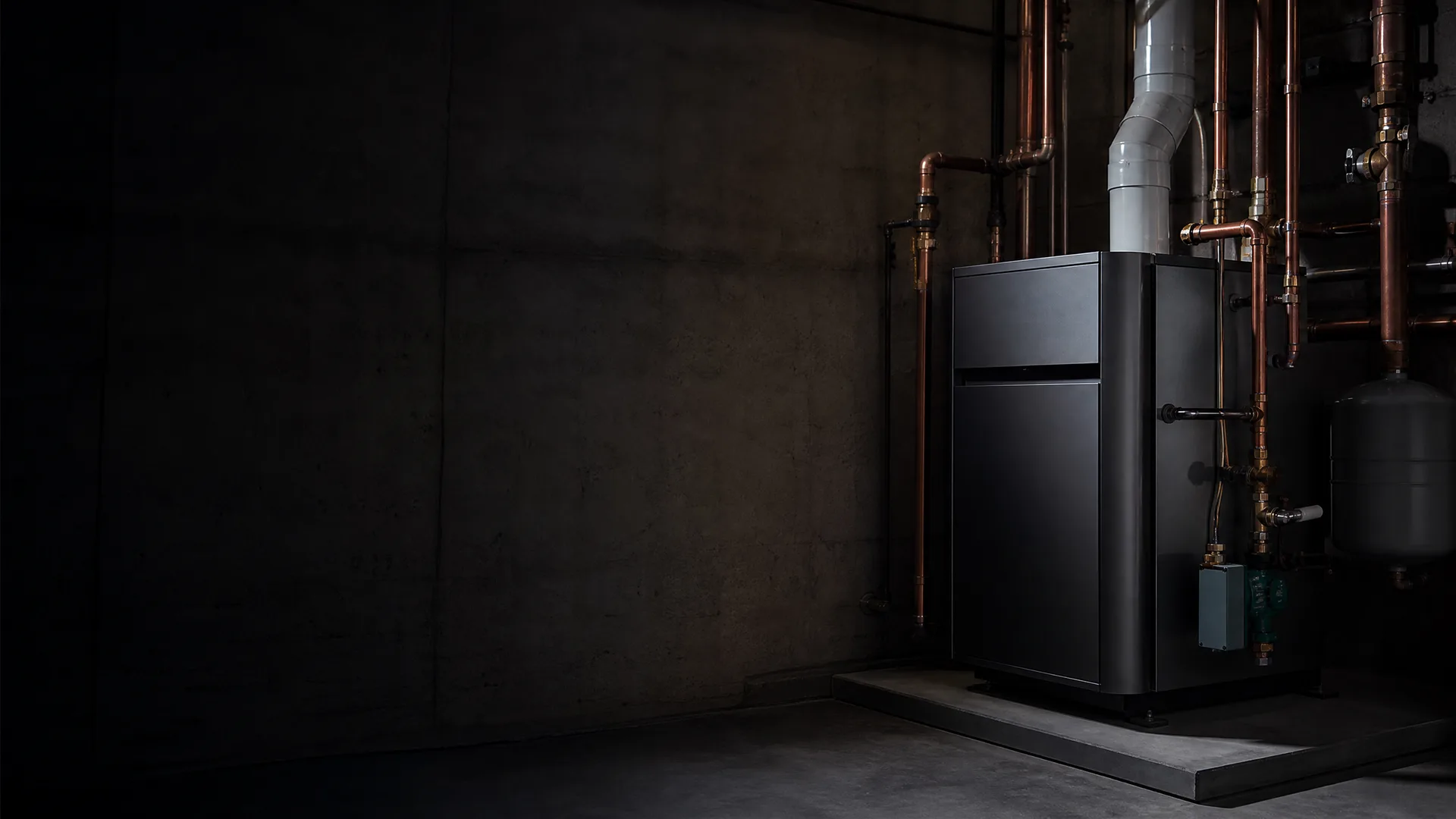
The pump is moving water through the copper lines, the expansion tank is holding steady pressure, and the gauge sits where it needs to be. No leaks on the fittings. The burner lights on the first call and keeps running.
 Match me with a pro
A local pro who knows boilers gets your details and gets in touch.
A boiler that won't fire when it's cold outside is not a small thing in Mississippi. Most homes here heat with electricity, so a boiler is already doing a job a lot of your neighbors don't ask their system to do, and when it quits, there isn't a backup running in the next room.
A few things stop a boiler cold: a pilot or igniter that won't light, low water pressure, a thermostat that isn't calling for heat the way it should, a pump that's seized up. Some of these you can check yourself. Most of them need a licensed hand on the actual unit, because a boiler mixes water, gas or electricity, and pressure, and getting that wrong is not worth the risk.
You don't have to figure out which one it is before you ask for help. That part isn't your job once you send this in. You'll be matched with a contractor who works on boilers and knows what a cold snap does to a system that's already stressed, and they'll reach out to you directly.
No two boilers fail the same way, and no two houses need the same fix. Whoever contacts you will ask about your specific unit and what's happening with it, not just read off a general checklist. That's the point of going through a contractor who actually services your area instead of guessing from a manual.
Right now the only thing that matters is getting the cold out of the house. Once you send the form, you're not the one tracking down who's available or who works on your brand of boiler. That search is over. What's left is someone calling you back to sort out the rest.
A boiler that won't fire usually comes down to one of a few things. The igniter or pilot can fail to light, a safety switch can trip and shut the whole system down, or the pressure inside the boiler can drop too low for it to run at all. Cold snaps make this worse. Mississippi winters don't stay cold for long, so a boiler sits unused for weeks at a time between calls for heat, and parts that were already wearing out can fail the moment the system is asked to work again. A low-pressure cutoff or a dead igniter won't fix itself with time. If the thermostat is calling for heat and nothing is happening, the boiler needs a hand, not another day to warm up on its own.
Every boiler has a control sequence it has to complete before it lights, and that sequence is built to fail safe rather than fire wrong. Water pressure is the first checkpoint. If it's dropped below what the boiler needs, a low water cutoff stops the burner before ignition even starts, and that pressure loss often traces back to a relief valve that's been weeping small amounts for weeks without anyone noticing. If pressure is fine, the system checks for flame. A flame sensor coated in soot can't confirm the pilot or burner actually lit, so the control board cuts the gas valve rather than risk it running blind. Older igniters and thermocouples wear down the same way after enough winters of cycling on and off, sometimes managing to light the pilot but not hold it. And even with everything else working, the aquastat can keep the system quiet if it reads the water as already warm enough, whether or not the rooms around it feel that way.


After you send the request, you're done searching.
Tell a local repair pro what your boiler is doing.
No charge to send it. You decide if you hire them.
You might hear the burner try to catch and fail, a clicking that doesn't turn into a steady flame. Or the whole unit sits silent, no sound at all, with the pressure gauge reading lower than it should. Some rooms stay warm near the vents while others go cold, or the radiators feel warm at the bottom and cool near the top. If this drags on through a cold snap, pipes that run along an outside wall are the ones at risk of freezing, and a frozen pipe can split open once the water inside expands.
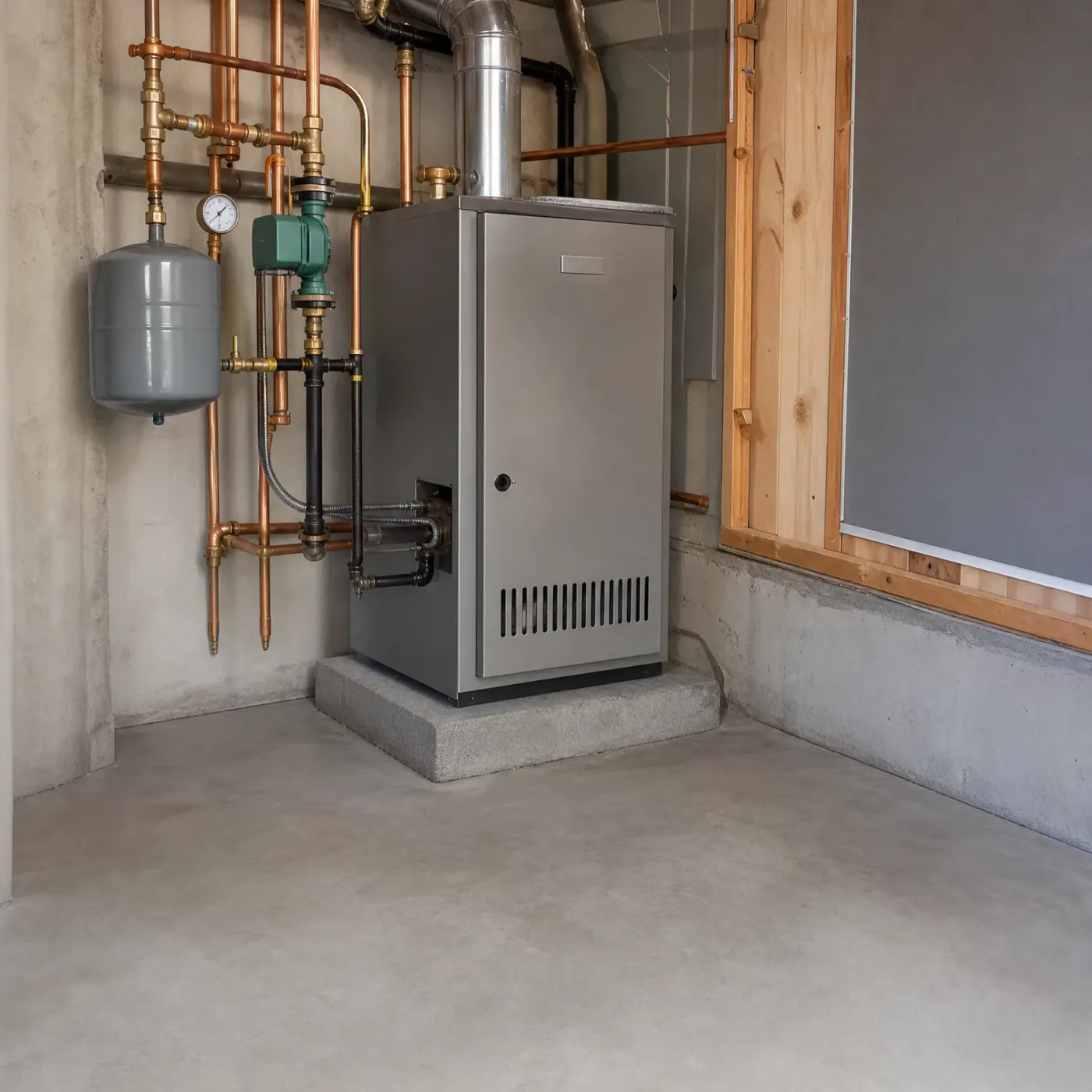
The pump is moving water through the copper lines, the expansion tank is holding steady pressure, and the gauge sits where it needs to be. No leaks on the fittings. The burner lights on the first call and keeps running.
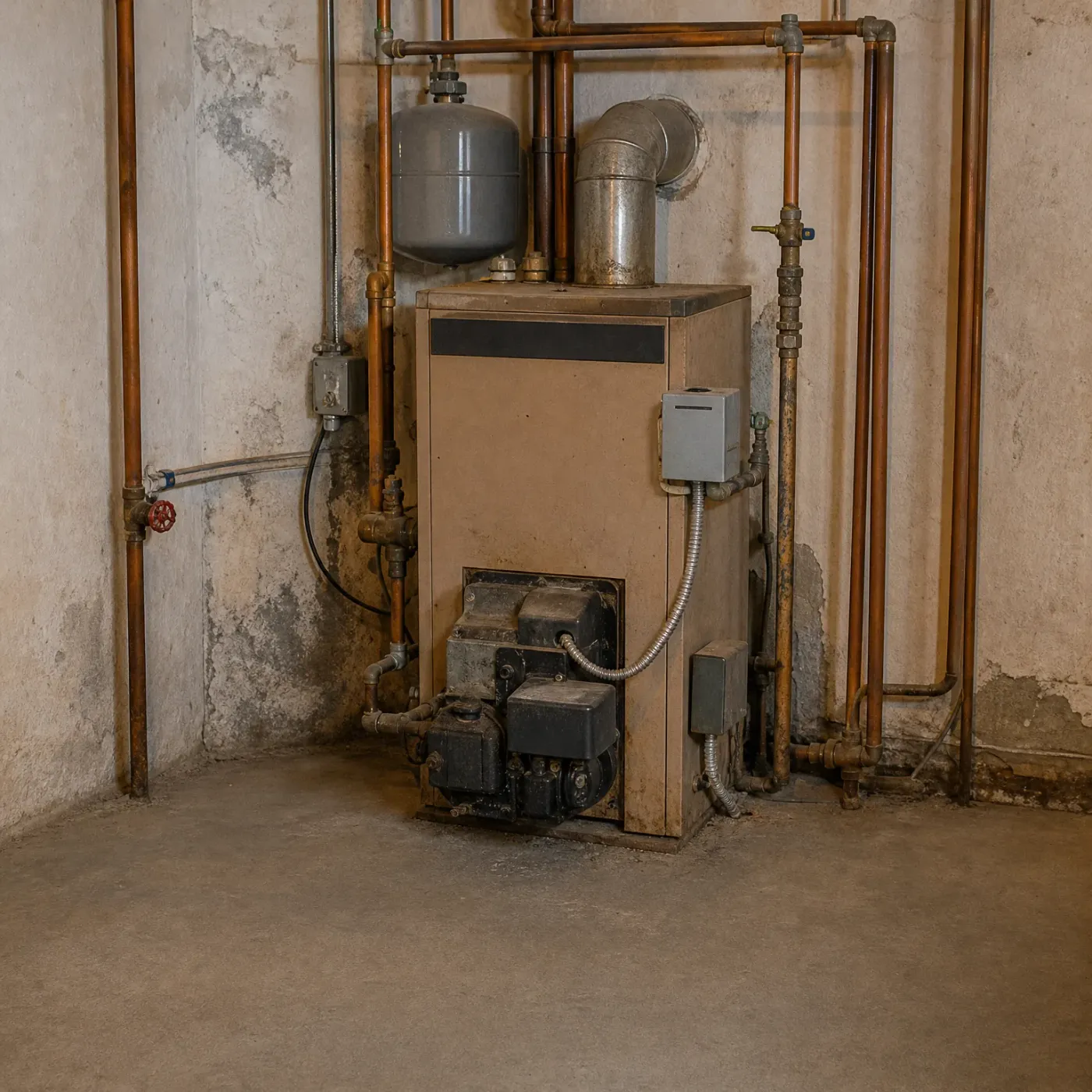
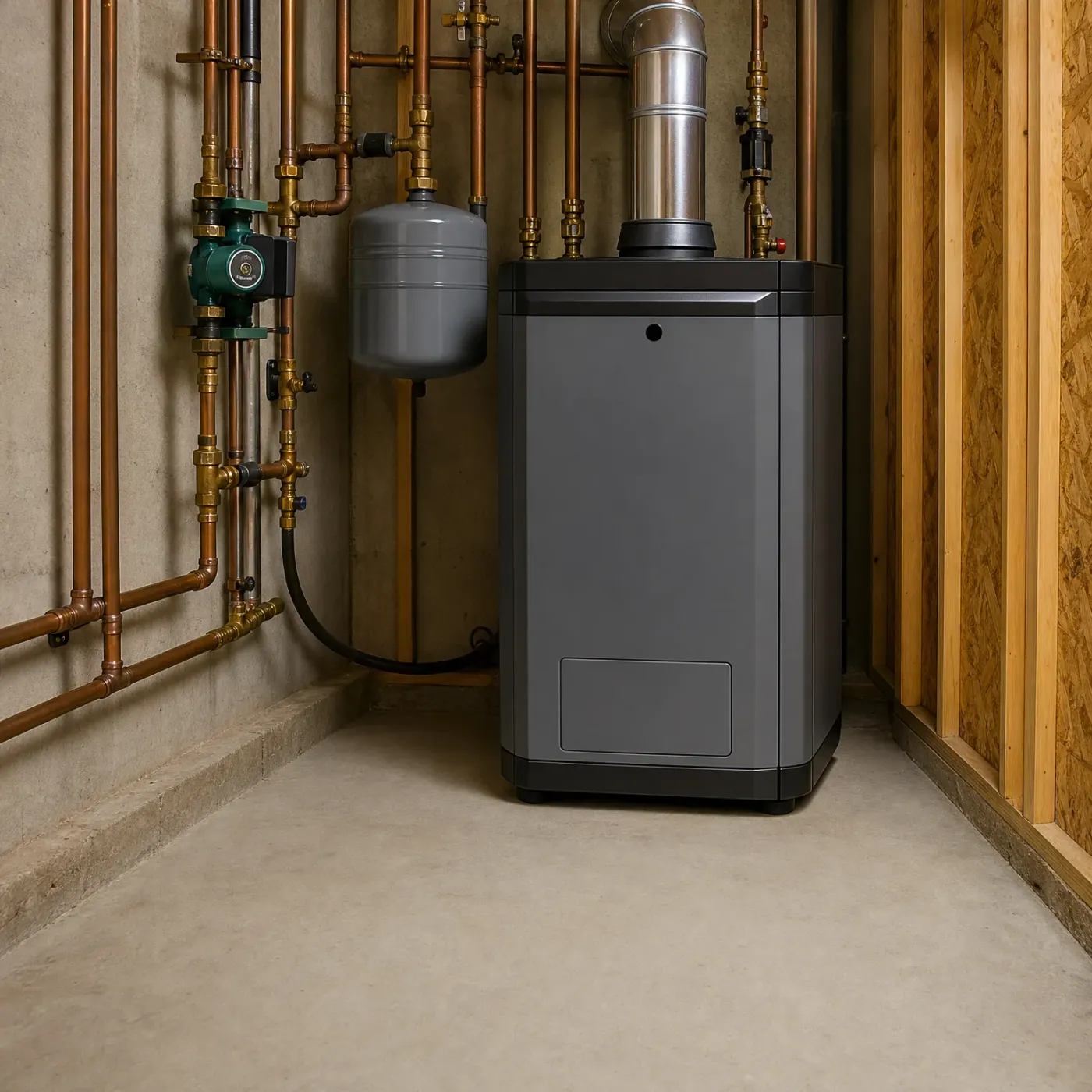
Years of pipes expanding and contracting against the walls and ceiling can work a fitting loose or wear a seal thin. An older unit like this one is more likely to lose pressure slowly, and a boiler that can't hold pressure won't fire when you need it most.




Most homes in Mississippi heat with electricity, and a boiler running on gas or oil doesn't have another system standing by if it fails. When pressure drops too low to fire, or a safety switch trips, there's no second heat source quietly picking up the slack. The house just gets cold. That's part of why a boiler that won't start on a hard freeze morning matters more here than in a place where half the houses already have a backup running anyway.
Boiler pipes and fittings contract as the temperature drops, and a fitting that was holding fine in October can start weeping once it's cold enough. That slow loss shows up as a dropping number on the pressure gauge. Most boilers need 12 to 15 psi to run at all. On a morning when it's cold enough for the system to matter most, a boiler that was already low can drop below that line and refuse to light, even though nothing changed overnight.
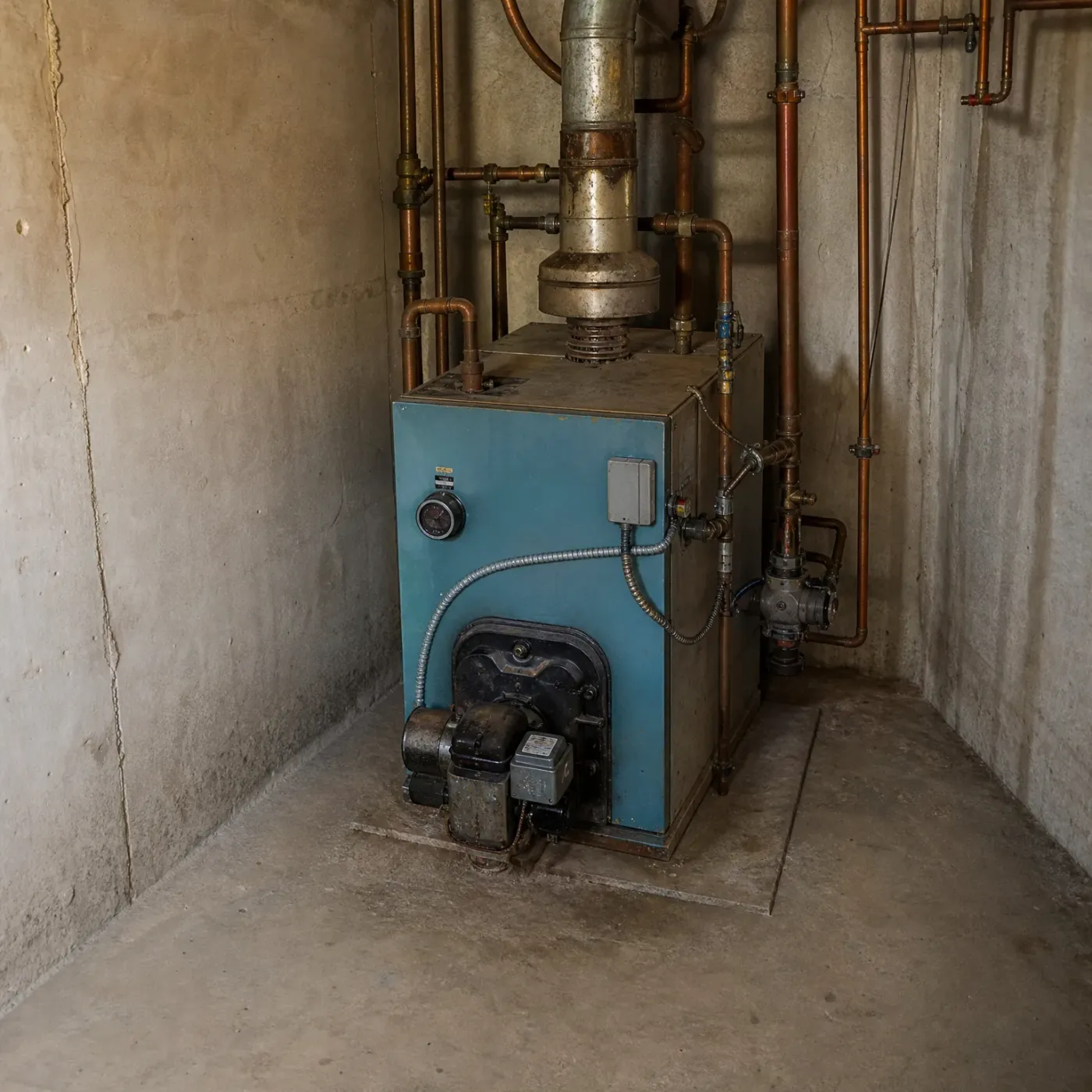
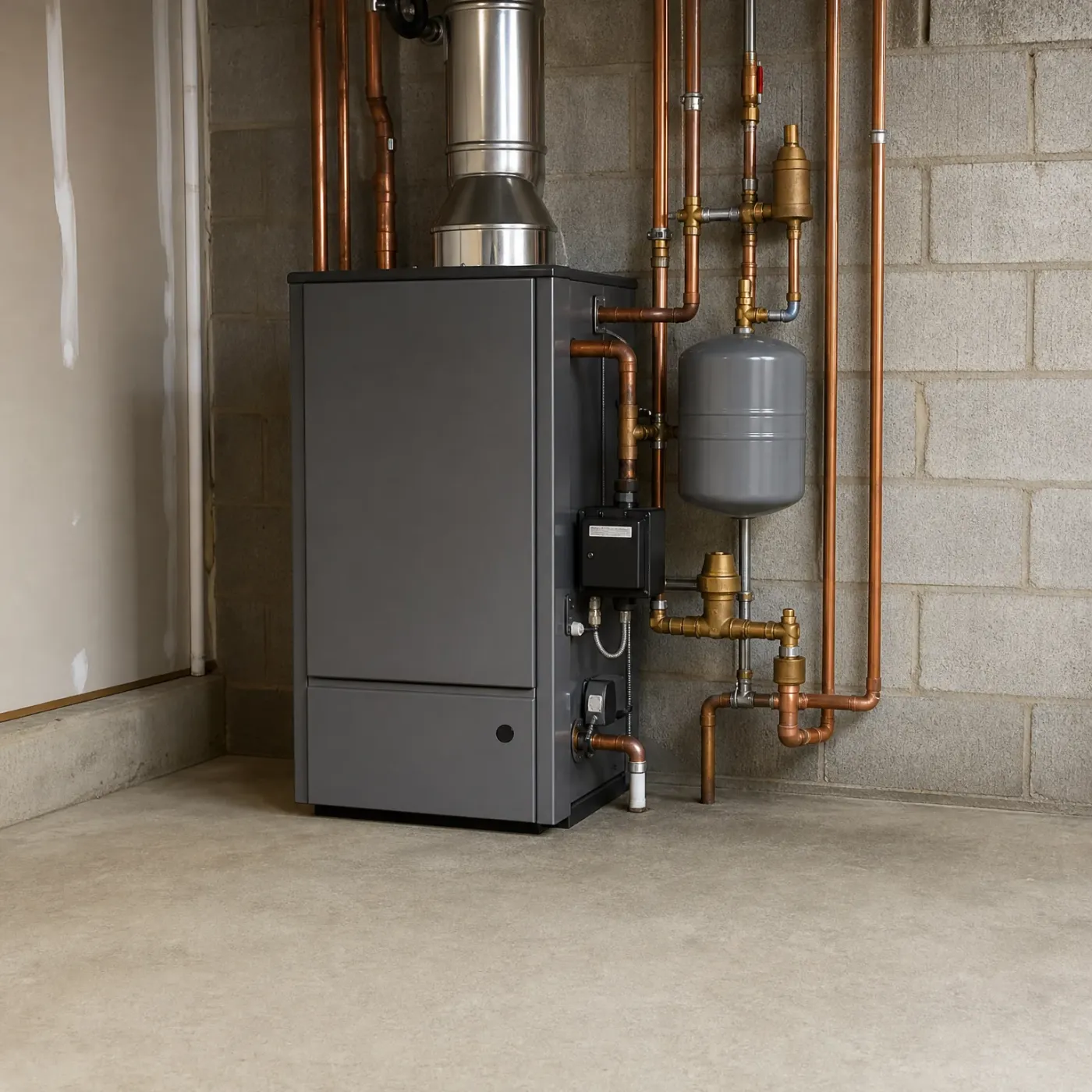
38°F is a typical overnight low here in December and January, not a rare cold snap. Your boiler is built to answer that every night, and if pressure or ignition is already marginal, a string of nights that cold is what finally stops it from firing.
NOAA nClimDiv 1991-2020 county normals weighted by homes

Low pressure, a tripped safety switch, an igniter that won't catch. One of these is why your boiler isn't running tonight, and a licensed contractor can tell which one by looking at the gauge and the burner instead of guessing. That's worth knowing when the house is cold and your family is waiting on an answer, not a repeat of what might be wrong.
You don't have to track down who to call or whether they work on boilers like yours. Send the form and a contractor who handles this equipment reaches out to you directly. Finding someone stops being your job the moment you submit it, and getting your boiler running again becomes theirs.

Send the request today and stop worrying about who to call.