
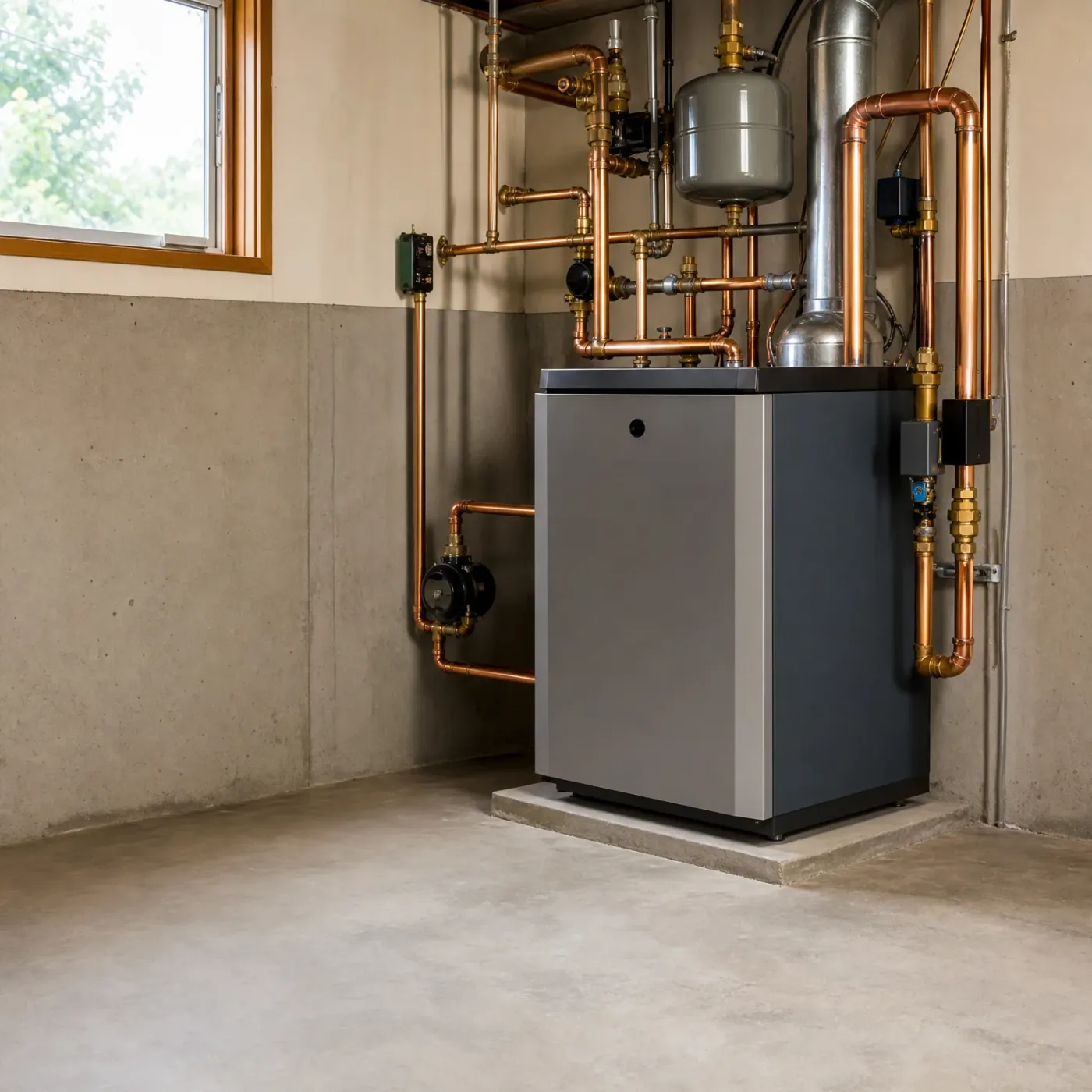
Pressure holding steady
The gauge sits between 1 and 1.5 bar, where it should. Pipes and fittings stay dry. The pump runs quiet, and the boiler fires, heats, and shuts off without you having to touch the filling loop in between.
A boiler loses pressure because water is leaving the system somewhere, or because it was never bled of air correctly after the last service. Most of the time the cause is a slow leak at a valve, a pump seal, or a fitting, small enough that you never see a puddle, but steady enough to drain the system over weeks. Pressure can also drop if the expansion tank has lost its air charge, since that tank is what absorbs the water as it heats and expands. In Mississippi, most homes lean on electric heat rather than a boiler running long hours, so a boiler here often sits idle for stretches and a slow leak can go unnoticed longer than it would in a house running heat all winter. If your pressure gauge keeps falling below where it should sit, the system needs to be checked before it shuts itself down or starts short cycling.
The gauge sits between 1 and 1.5 bar, where it should. Pipes and fittings stay dry. The pump runs quiet, and the boiler fires, heats, and shuts off without you having to touch the filling loop in between.
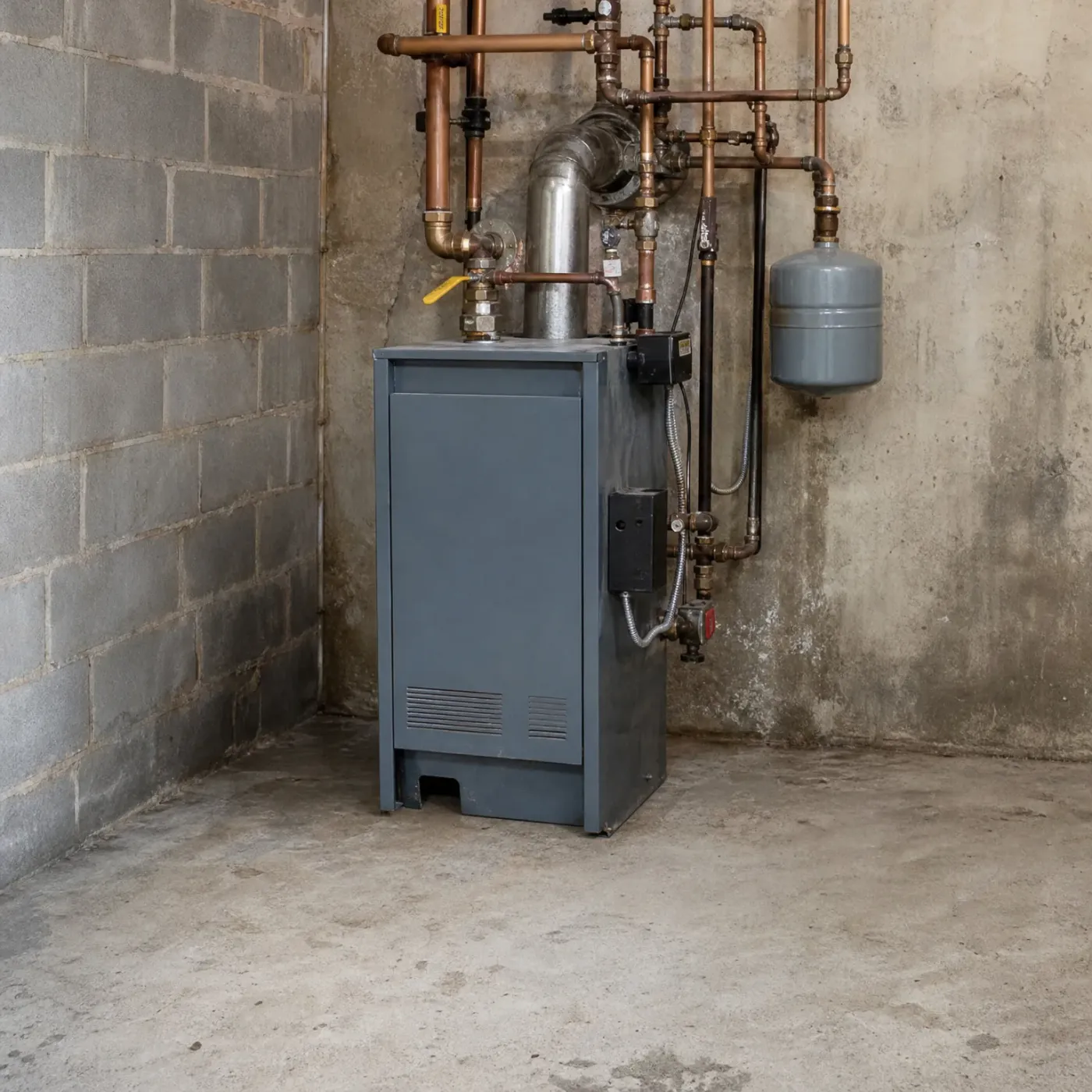
You topped it off last week and the needle has already sunk toward zero. Maybe there's a damp patch near a fitting, maybe there isn't. Either way the boiler is losing water faster than it should, and refilling it only buys you a few more days.
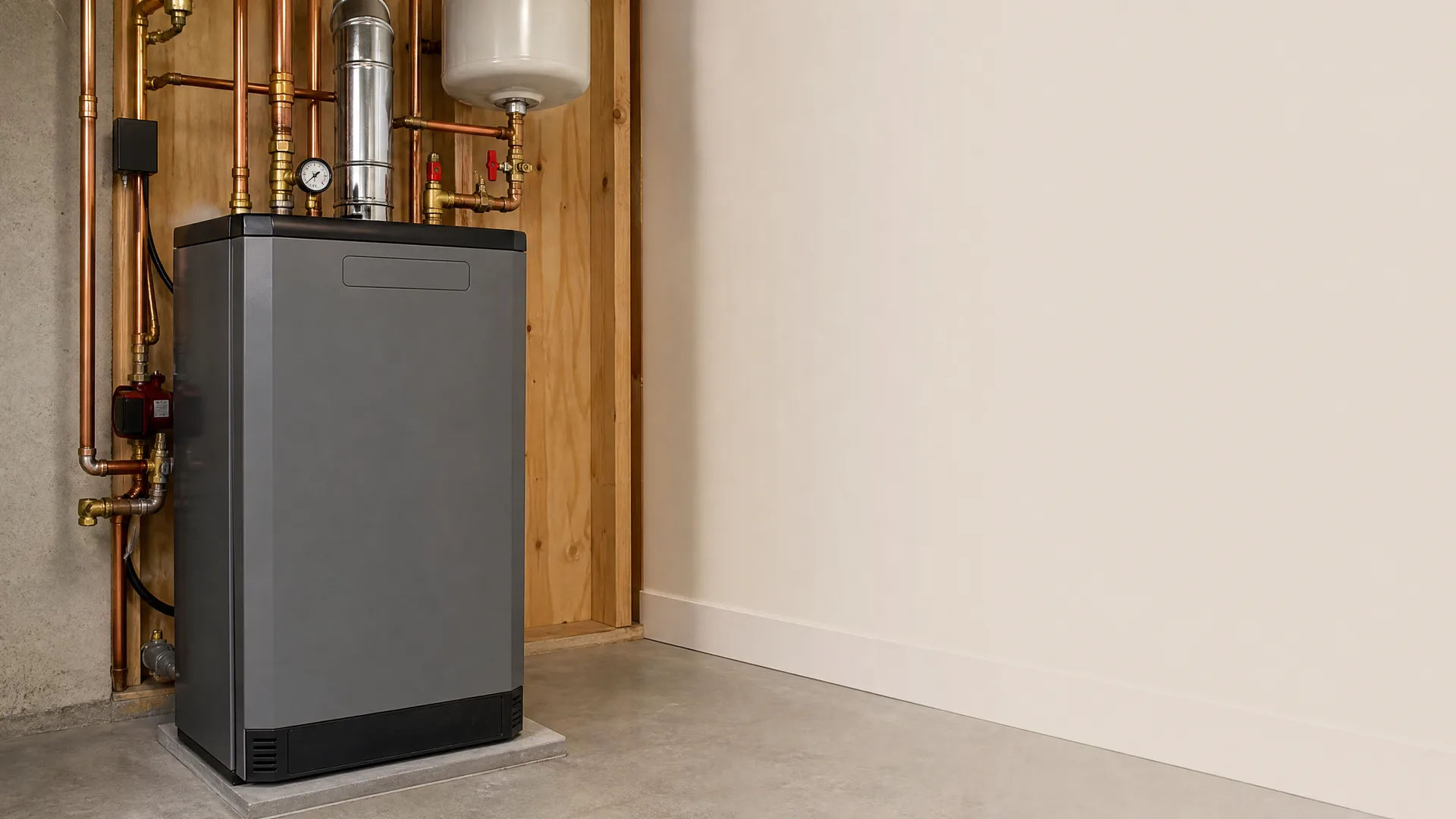
A boiler is a sealed loop. The water inside stays put unless it finds a way out, through a hairline crack in a fitting, a pump seal wearing down, or a valve that no longer closes all the way. None of these show up as a puddle right away. Often the water turns to vapor before it ever reaches the floor, so the leak stays invisible while the gauge keeps falling. A contractor who services boilers all winter checks these points first, because they fail more than anything else.
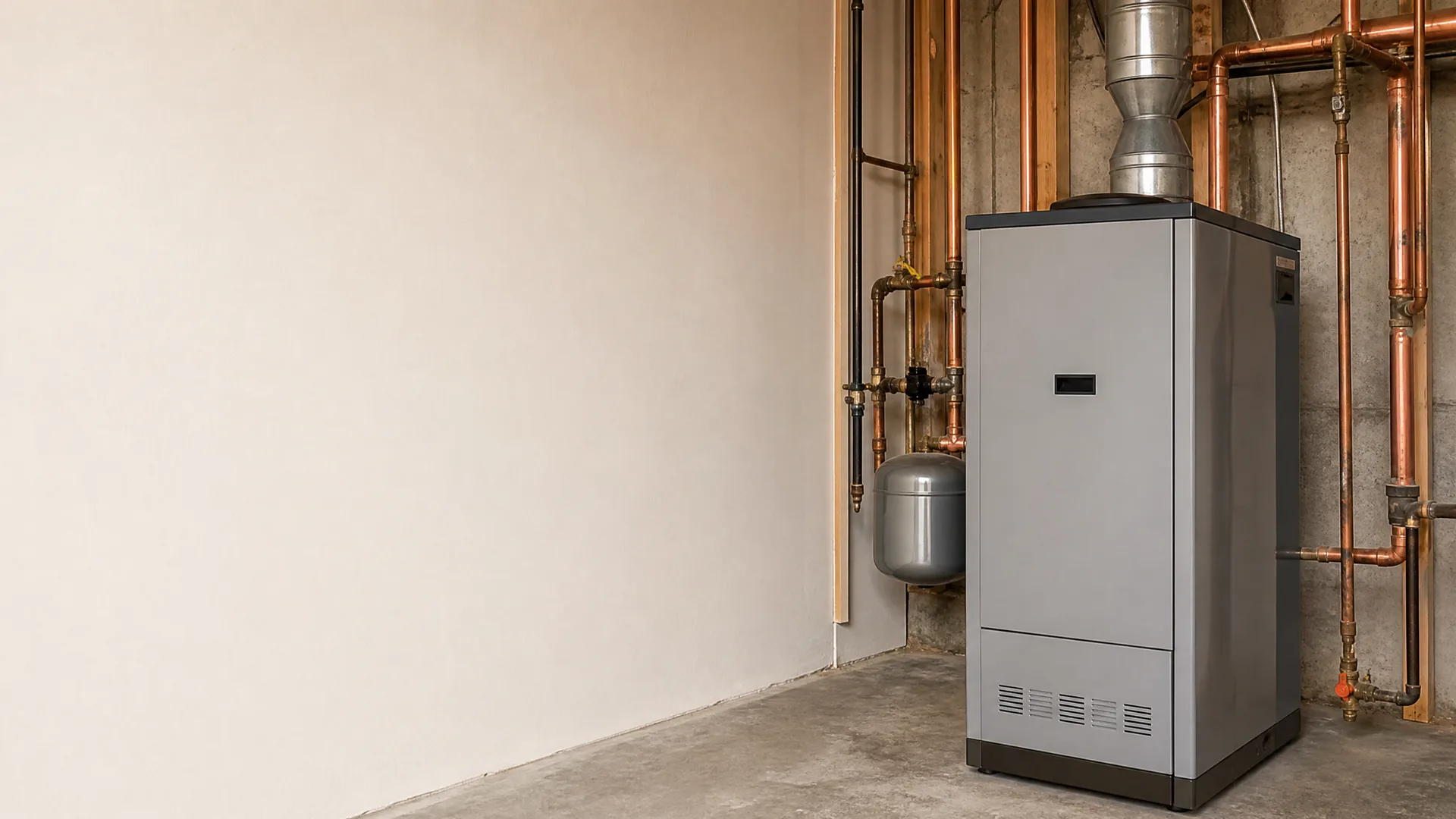
Every boiler has a pressure relief valve set to open if pressure climbs too high, protecting the system from damage. If that valve is weeping, even a little, it can account for a slow drop without any sign at the radiators or pipework. It is one of the most common reasons a system loses pressure gradually rather than all at once, and it is a quick thing for someone familiar with your boiler to check and replace.
You check the gauge and it's under 1, maybe closer to the red. The boiler might lock out and refuse to fire until you top it up again through the filling loop. You hear a gurgle in a radiator that used to run quiet, or notice one upstairs room staying cooler than the rest of the house even with the thermostat turned up. Maybe there's a damp patch near a pipe joint in the airing cupboard, or a faint metallic smell by the boiler itself. Left alone, a boiler that keeps losing pressure will eventually stop heating the house at all, right when you need it most, and a slow leak you ignore can mean water finding its way into a ceiling or floor below.




Your request goes to one pro, not a list of companies.
You're not committing to anything by asking.
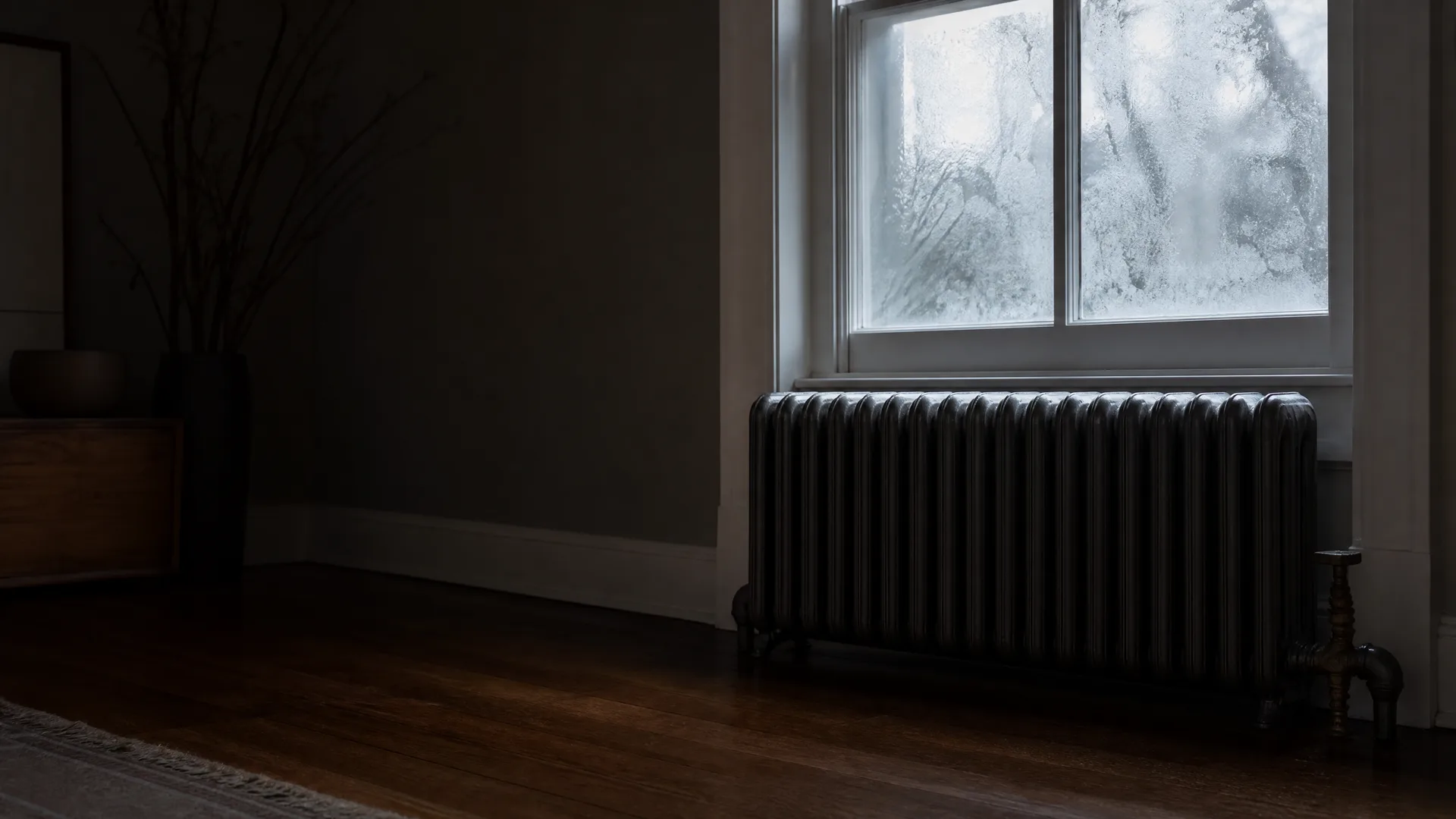
It's a little past six on a January morning and the house is still dark except for the kitchen light down the hall. You've got a bathrobe on and your coffee hasn't kicked in yet. You walk past the living room and stop because the radiator under the window isn't doing anything. No tick, no hiss, nothing. The glass behind it has ice on the inside, a thin film you can scratch with a fingernail. Mississippi mornings like this don't come often, which is maybe why you never noticed the gauge before. You crouch down and check it anyway. It's sitting low, well under where it was the last time you looked.
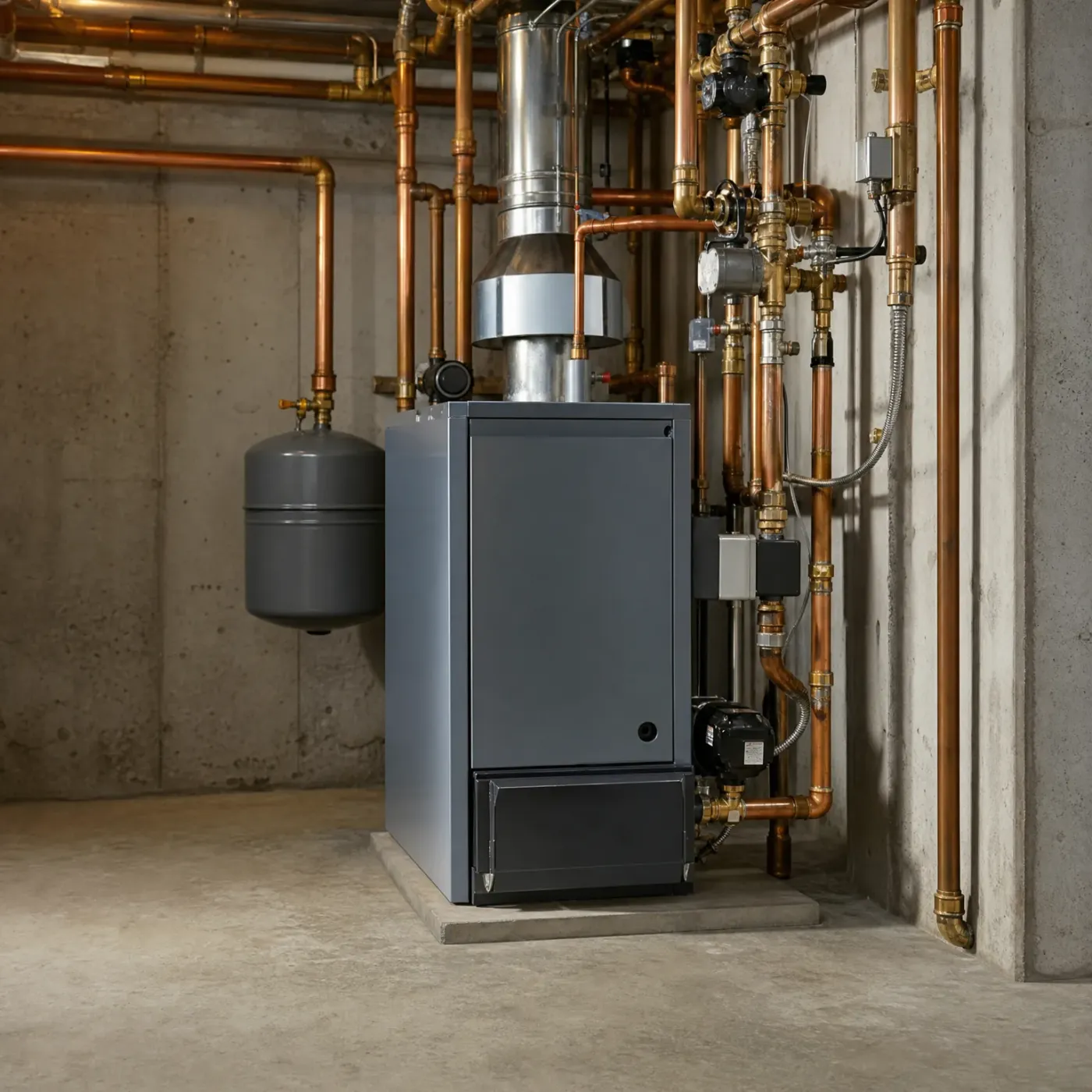
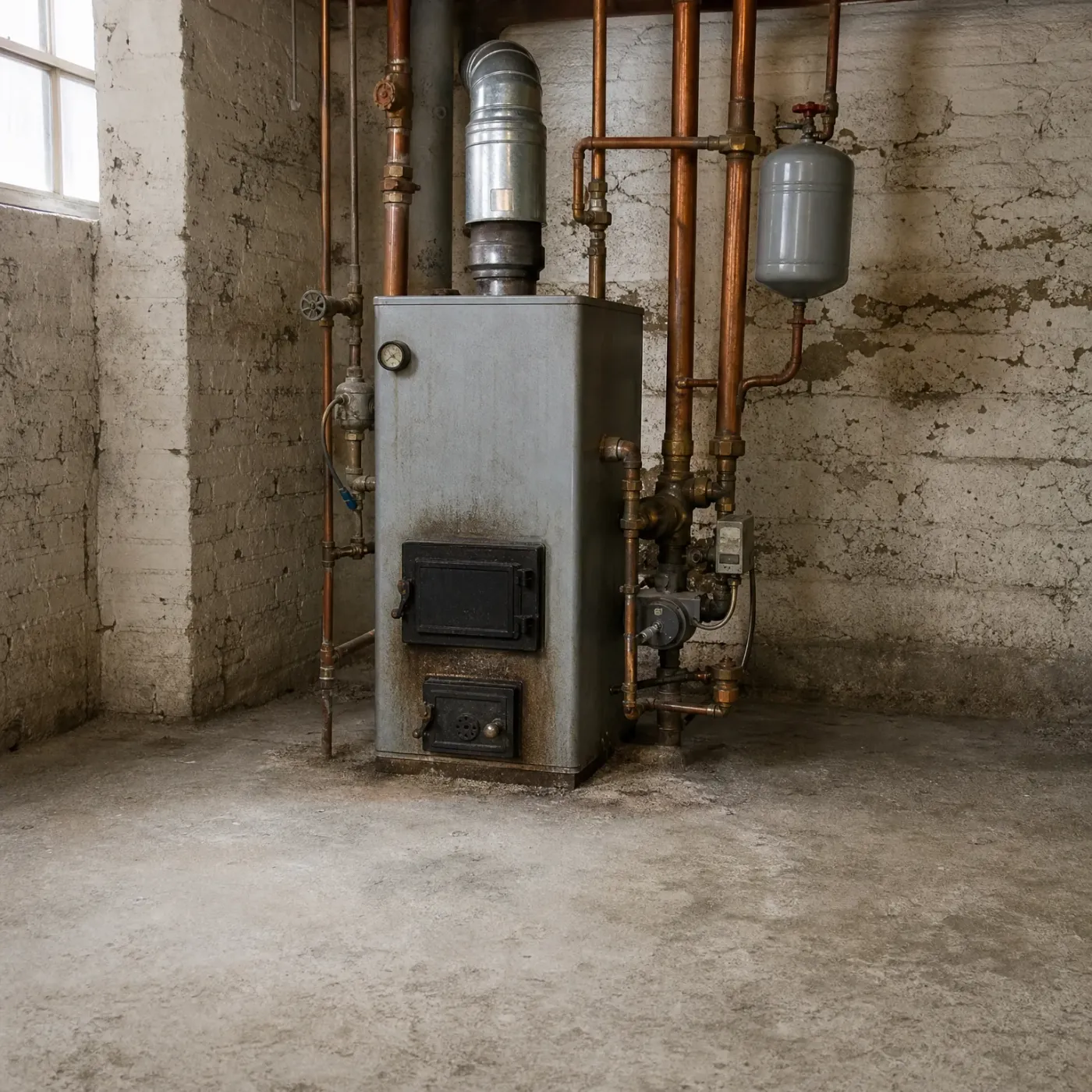
A contractor checks the gauge and the boiler's lockout history first.
They test the filling loop and confirm it seals shut after use.
They check every radiator valve and fitting for a slow weep.
They inspect the pump seal, since that's a common point of loss.


You check the gauge every few days, bleed a radiator, top up the loop. It holds for a while, then drops again, and you're still guessing where the water's going.
Someone who works on boilers all season checks the valves, the pump seal, and the fittings, and fixes the actual leak instead of the symptom.
Most Mississippi homes heat with electricity, but if yours runs on a boiler, those 38°F nights still mean it's cycling on and off most of the night. Every cycle heats and cools the pipework, and that expansion and contraction is what works a slow leak loose at a fitting or valve.
NOAA nClimDiv 1991-2020 county normals weighted by homes
The gauge told you something was wrong before anything else did, and that's still the most useful clue you have. Pressure doesn't drop for no reason. Water is leaving the loop somewhere, through a valve, a pump seal, or a fitting that's given up a little at a time, and every cold night this winter has pushed the system through another cycle of heating up and cooling down, which is exactly the kind of movement that turns a tight fitting into a loose one. Topping it off through the filling loop will get you through another evening, maybe another week, but it doesn't change where the water's going. It just buys time until the gauge tells you again.
Finding the actual spot takes someone who's looked at a lot of boilers do exactly this, because the usual suspects (a weeping valve, a worn seal, a fitting under a floor you can't see) are a short list to someone who checks them every season, and a long guessing game to anyone else. A local contractor who does this work knows where to look first, and because it's one person handling it rather than several companies sending separate crews to ask the same questions about your gauge and your lockouts, you tell the story once and the next call is about the fix, not the diagnosis.
Until then, the gauge is honest. Watch it, and let someone who knows the usual spots take it from there.





Only one pro gets your request, so you hear from one company.
No charge to send it. You decide if you hire them.