That rumbling or banging noise is water inside the heat exchanger boiling into steam pockets before it can circulate. It usually points to scale buildup, low water flow, or a burner firing unevenly. This page gets into why that happens and what it means for your boiler, then connects you with a contractor who can look at your system instead of you calling around to find one.
That banging and knocking is water boiling into steam inside the heat exchanger before the boiler can push it out through the system. It happens when scale coats the inside of the exchanger, or when flow through it is restricted, so one area overheats faster than the water moving past it can carry the heat away. Mineral buildup is the most common cause, and it gets worse the longer it sits, since scale insulates the metal and forces the burner to work harder to heat the same water. Most homes in Mississippi heat with electricity, but if your boiler feeds hot water to radiators or a hydronic system, kettling means the exchanger is already stressed, and running it that way can crack it. Left alone, the noise does not go away on its own. It gets louder as more scale builds, and the risk to the exchanger grows with it.
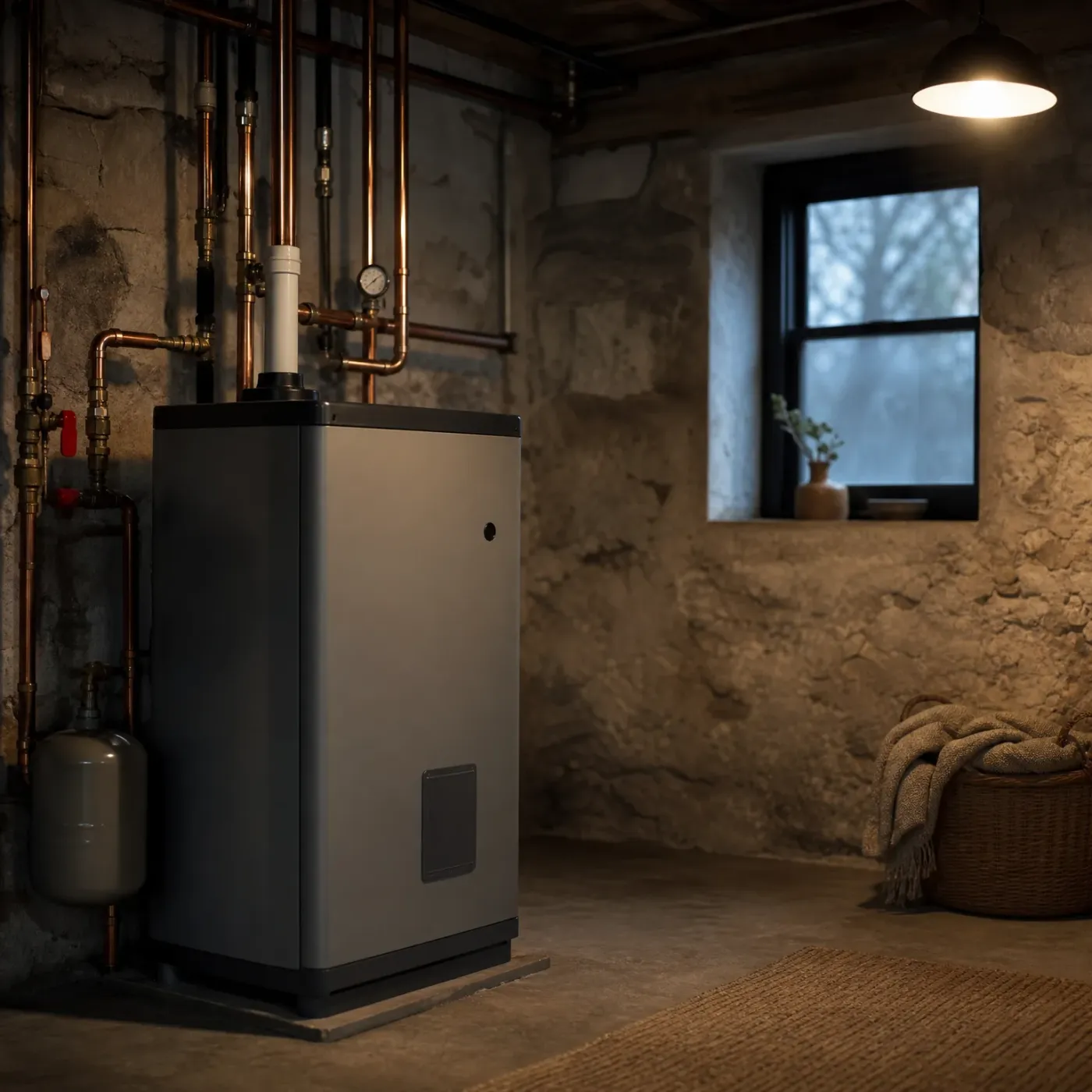
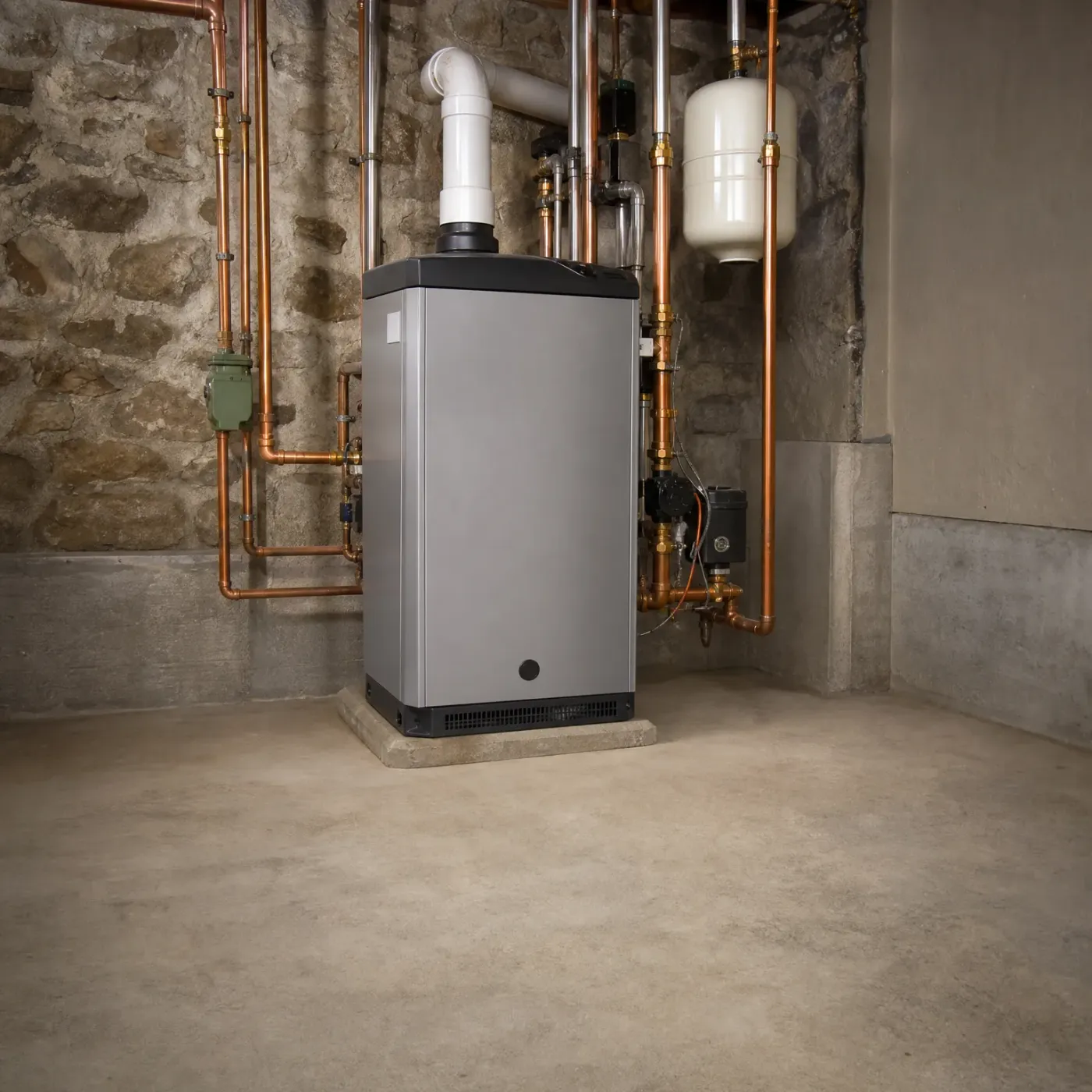
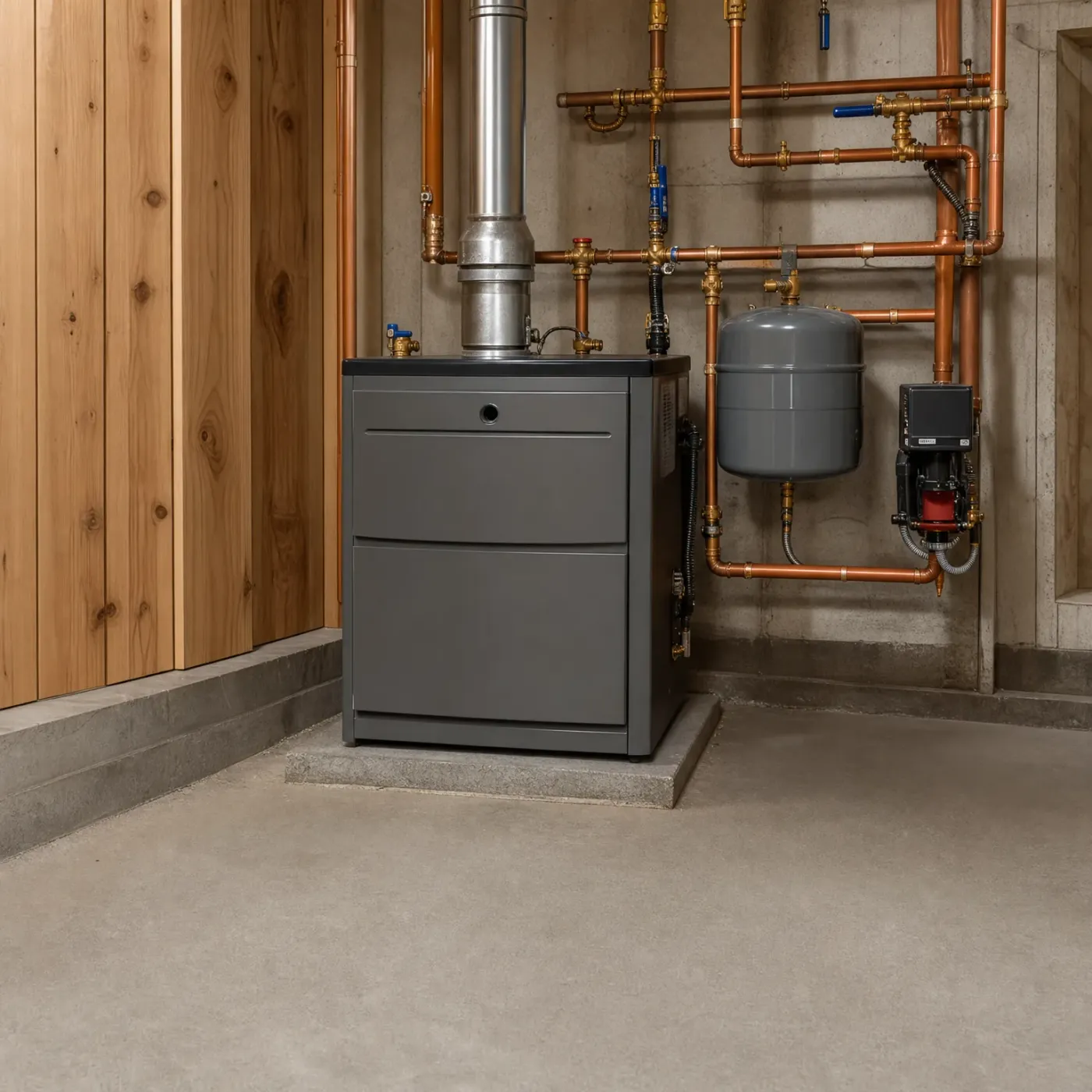
Running the way it should
Water moves through the exchanger fast enough to carry heat away as it's added. No section sits still long enough to flash into steam. The pump and the fittings are doing their job quietly, and the only sound at startup is a low hum.
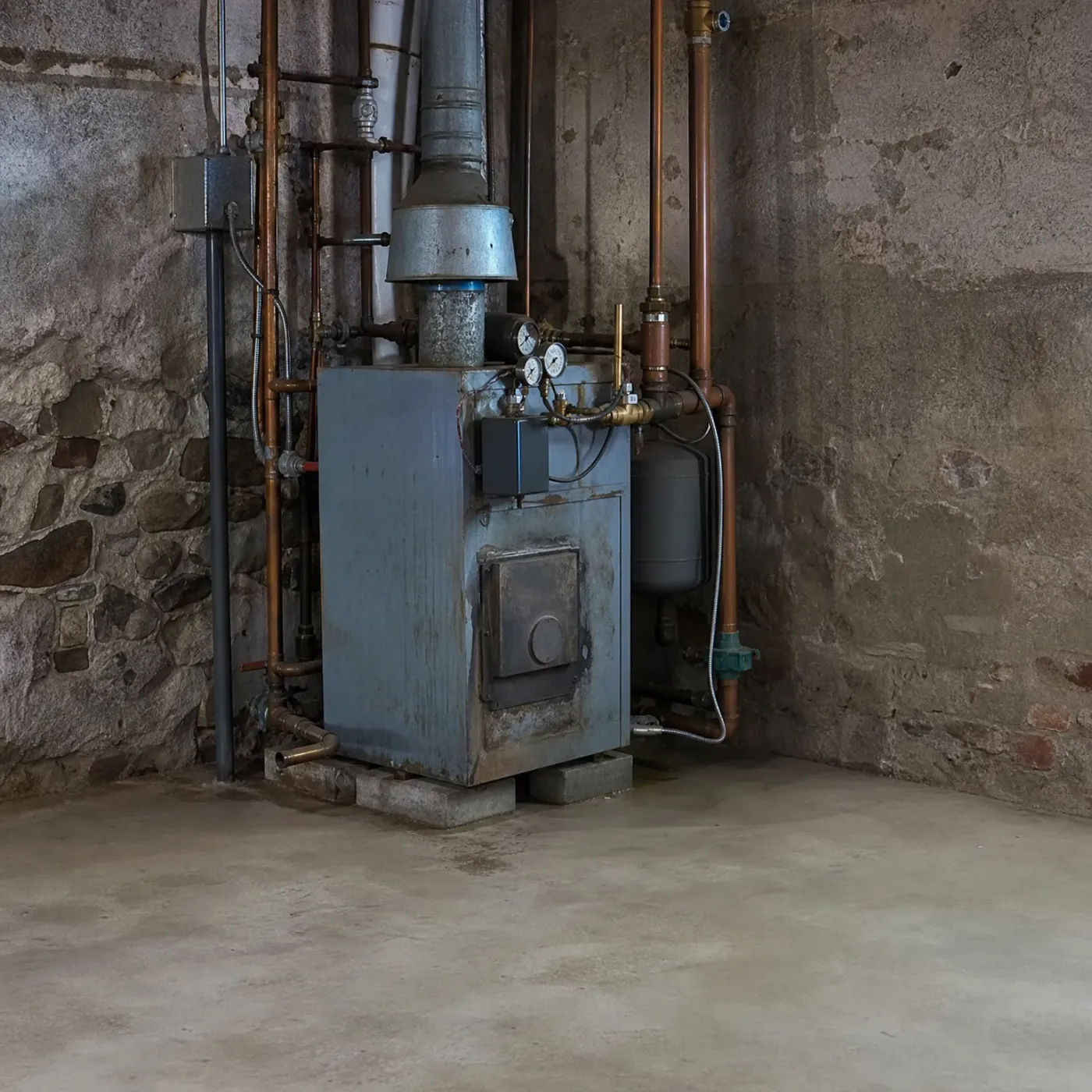
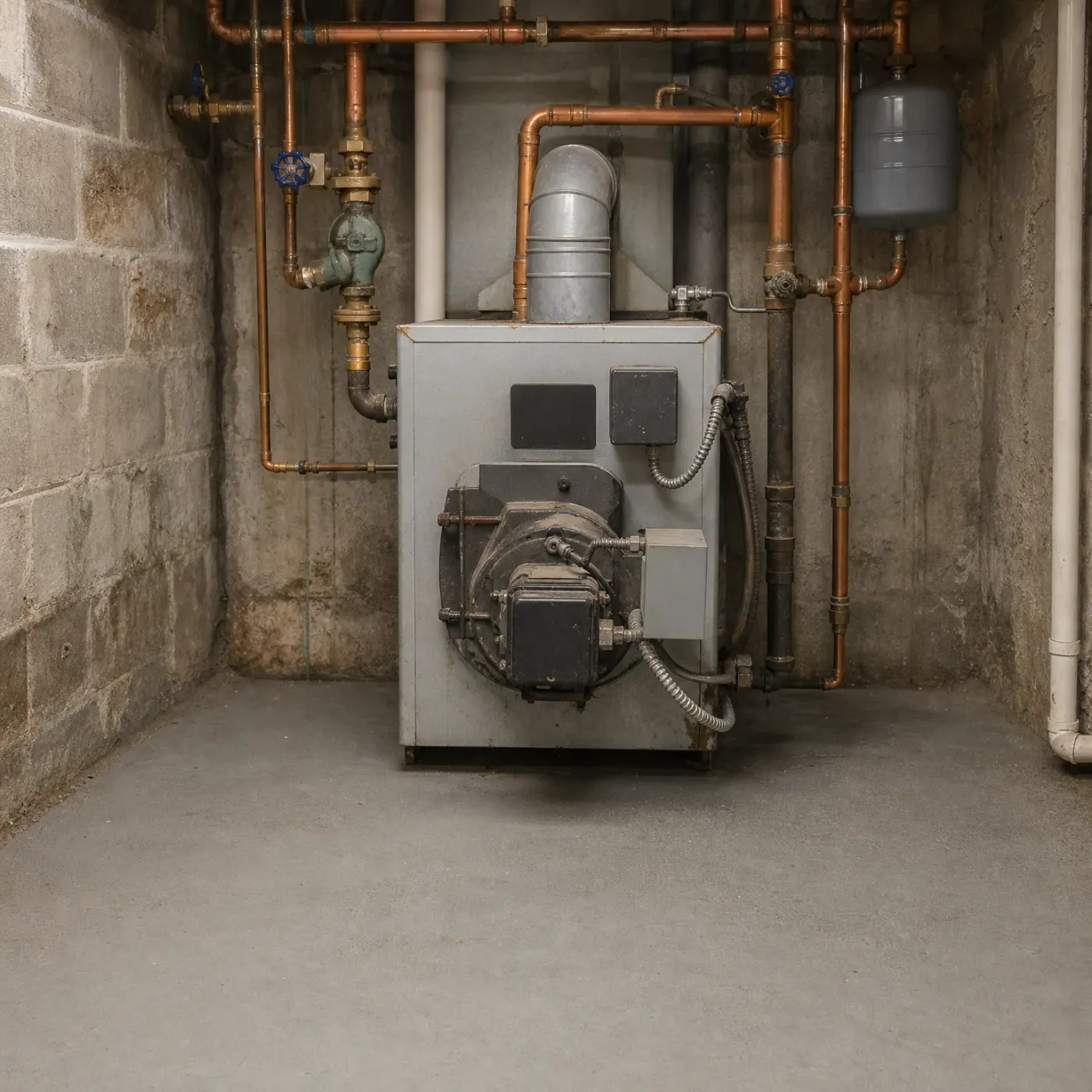
Scale is slowing the water down
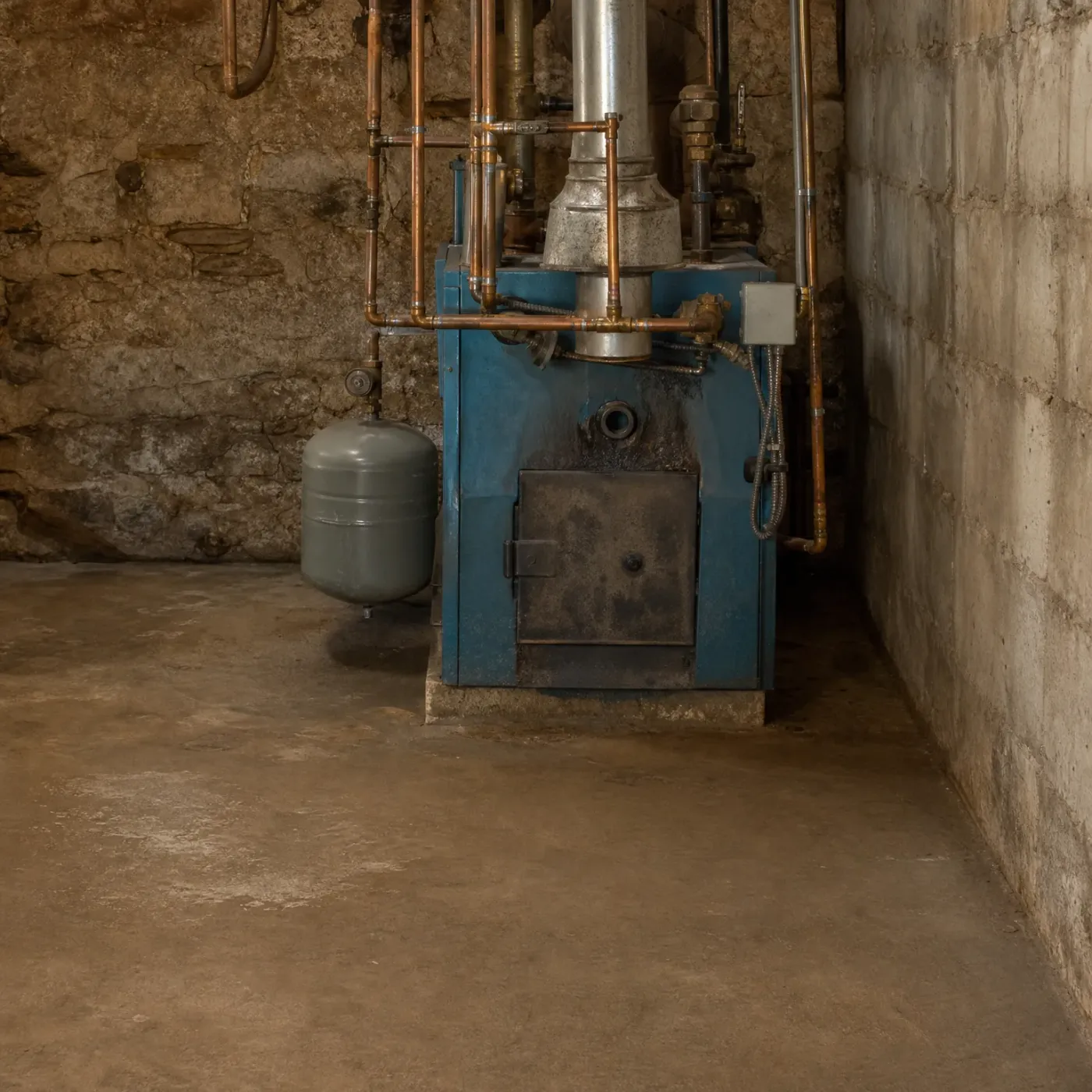
An older cast iron boiler like this one can build up scale inside the exchanger over years of use. That buildup narrows the path water takes through it, and the water sitting against the hot iron boils before it can move on. The banging is that steam collapsing.
Live With It or Get It Checked
Living with it
The noise comes back every time the boiler fires, and it tends to get louder as more scale builds up inside the exchanger.
Scale acts like insulation between the flame and the water, so the burner has to run longer to put out the same heat.
An exchanger that keeps overheating in spots is the one most likely to crack or develop a leak down the road.
Electricity is how most homes here heat, so a boiler working harder than it should shows up on that same bill all winter.
Kettling rarely fixes itself. The deposits causing it stay put and usually thicken until a contractor flushes the system.
Ignoring it doesn't mean living with just a sound. It means a boiler that's quietly losing efficiency every time it runs.
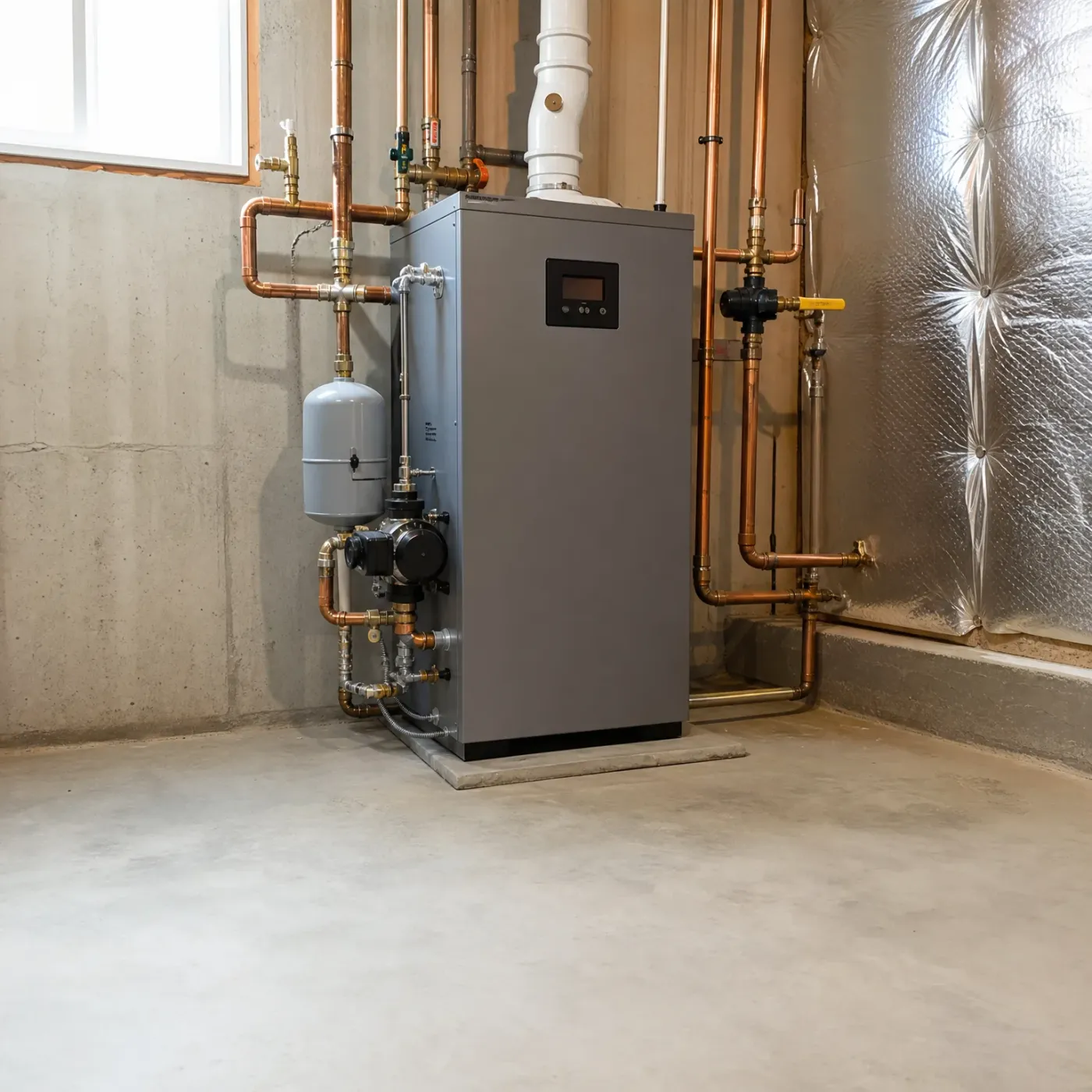
Getting it looked at
A contractor can flush the heat exchanger and clear the scale that's trapping steam pockets in the first place.
Checking water flow and burner operation at the same time rules out the other causes of uneven heating inside the exchanger.
Once the noise is addressed, instead of searching contractor listings and explaining the banging sound to each one, you get matched with someone who already knows what you're dealing with.
That contractor reaches out to you directly, so there's no stretch of calling around and comparing quotes on your own.
Catching it early costs you less in wasted electricity than waiting for the exchanger to fail outright.
You won't need to repeat the same description of the noise and when it happens to three different companies before someone shows up.
That kettling noise does not go away because it's humid outside or because the system runs on electric heat the rest of the house depends on. Scale inside the heat exchanger keeps building whether the boiler fires twice a day or twenty times, and the restriction gets worse until a tech clears it or the exchanger takes damage from the uneven heat. Finding someone qualified to look at a boiler in Mississippi, where most houses lean on electric heat and boiler techs aren't the first name that comes up, usually means a string of calls, explaining the kettling sound over and over, and guessing which quote actually reflects what your system needs. That's the part this page hands off. You describe what you're hearing once, and a contractor who works on boilers in your area follows up with you directly. The noise is telling you something is already wrong inside the exchanger. Getting the right person looking at it is the next step.
1
Water sits in the heat exchanger as the burner fires below it.
2
Scale or sludge coats the exchanger walls where flow is weakest.
3
That coated spot heats faster than the water can carry heat away.
4
A pocket of water flashes into steam against the hot metal.
A boiler with clean, open waterways pushes heat through copper lines and a pump without strain, and the flue vents clean and quiet.
Corrosion on the access door and scale inside the exchanger are what turn a quiet firing cycle into banging you can hear upstairs.
Winter nights average 38°F statewide
Boiler runs most on the nights your house gets down near 38°F, which is about what winter nights average here. That is not deep cold, but it is enough firing time for scale to build in the heat exchanger over a few winters, and once it coats the walls, the kettling only gets louder.
NOAA nClimDiv 1991-2020 county normals weighted by homes
Before you get your boiler repairAfter you get your boiler repair
38°F
That's about where winter nights settle in Mississippi. The boiler doesn't need deep cold to fire often enough for scale to build where kettling starts.
Kettling means scale or sludge is sitting on the walls of the heat exchanger, overheating one spot faster than the water moving past it can cool. That's it. It isn't the cold outside, and it isn't the electric heat the rest of your house runs on. It's what's built up inside that exchanger over however many winters this boiler has fired through, and it keeps building until someone opens it up and deals with it.
You already know what happens next if you try to sort this out yourself: a few searches, a few calls, repeating the same description of the noise to each one, then trying to line up quotes that aren't quite measuring the same job. Getting matched with a contractor who knows this unit and has you reach out to them skips that part. The boiler still needs the work. But you stop being the one who has to find who does it.
Boiler Repair
Get your boiler to the right pro
Step 1 of 3: Equipment
A local pro who knows boilers gets your details and gets in touch.
Send the request today and stop worrying about who to call.
Send the request and finding a pro stops being your problem.
Fill out one short form instead of calling around.
Explain the job once and skip repeating it on every call.
Your request goes to one pro, not a list of companies.
The pro who reaches out is licensed in Mississippi.