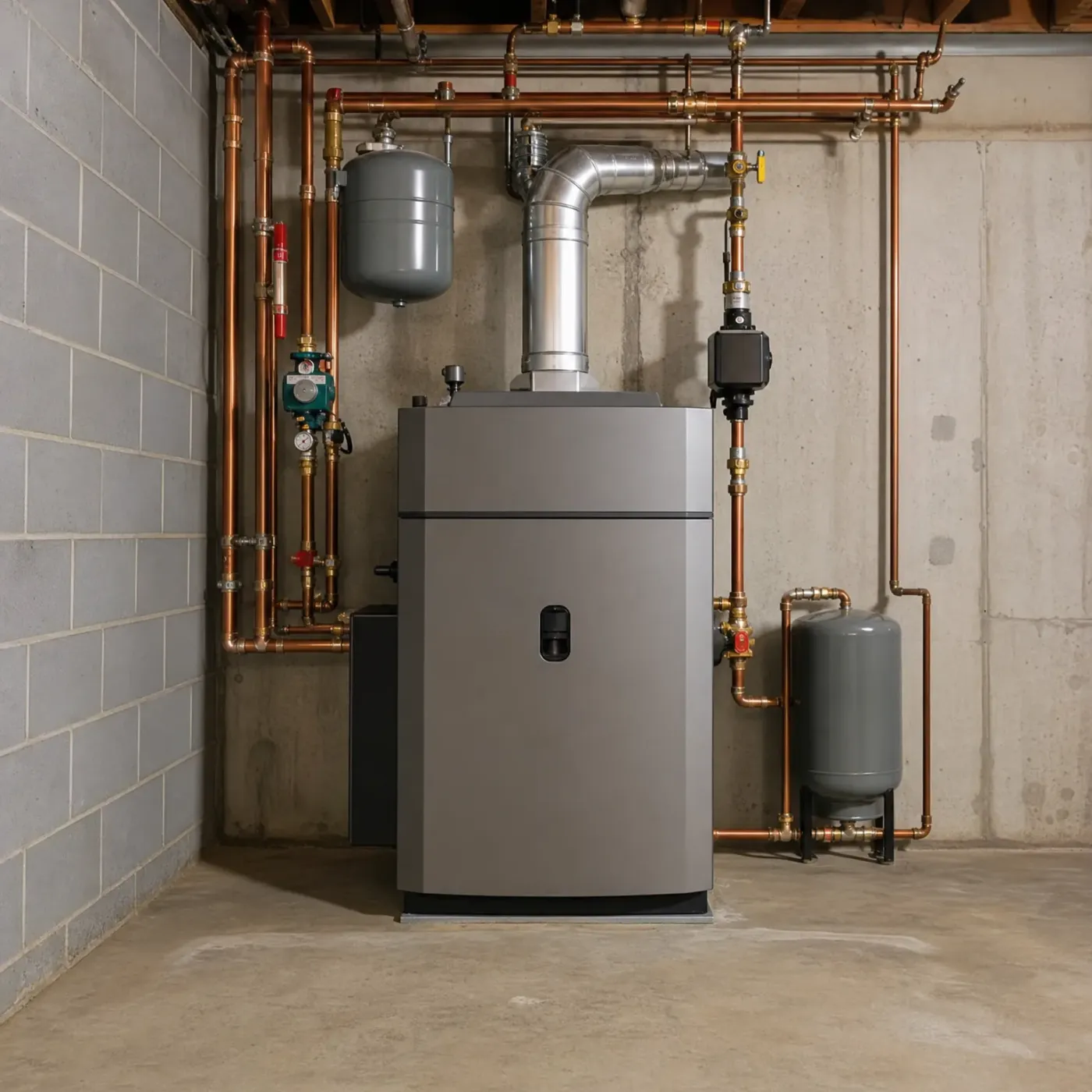
Sized right
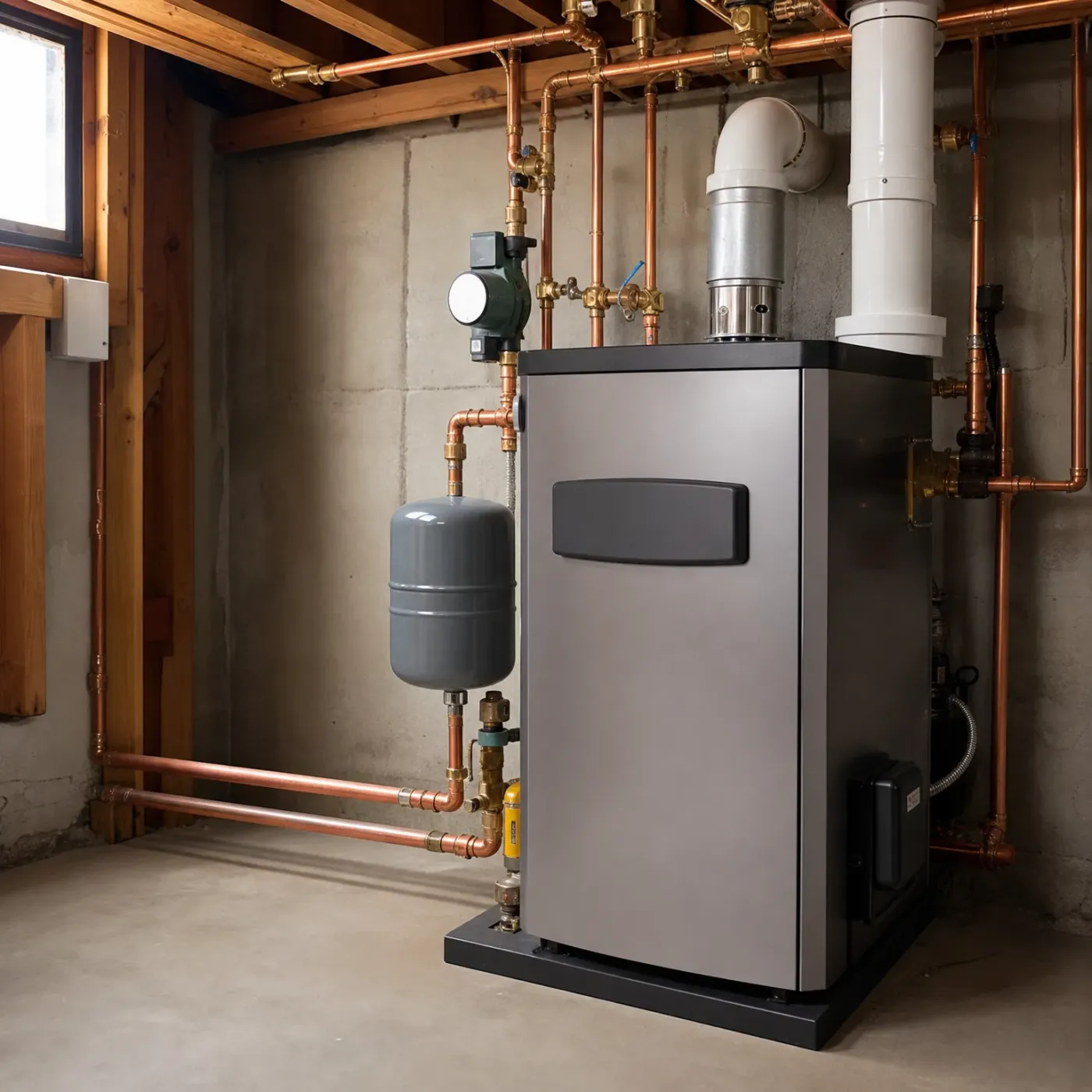
A boiler sized to your house runs steady through the cold snaps and shuts off when the rooms are warm. The pipes, the expansion tanks, the pump all do their work without strain. You won't notice it, and that's the point.
 Get a boiler pro
A local installer who puts in boilers gets your project.
Boilers are less common in Mississippi than they are up north, since most homes here heat with electricity. That makes sizing one harder, not easier. A contractor can't just swap in whatever size the last house had, because there's no "last house" to go by in most neighborhoods.
Size still comes down to the same math everywhere: how much heat your rooms lose on the coldest nights, the length of your pipe runs, how many radiators or baseboard loops you're feeding, and whether the boiler also needs to cover hot water. None of that is a guess you can make from the square footage alone, and none of it is something you can look up for your specific house. It takes someone measuring the actual rooms and the actual pipes.
Get the size wrong and you feel it either way. Too small, and the far end of the house never quite gets warm on the coldest mornings. Too big, and the boiler short-cycles, turning on and off more than it should, which wears on it faster than steady running would.
This is where a contractor who installs boilers for a living earns the call. Finding one usually means searching around, calling a few, explaining your house and your old system more than once, then trying to compare quotes that don't quite match up because nobody measured the same way. That's the part this page skips. Answer a few questions about your home and a contractor who handles installs in your area will reach out directly, already knowing what you're working with.
Mississippi summers are muggy enough that most people are thinking about air conditioning more than boilers. But sizing the boiler right now, before it's installed, is the only point where it's cheap to get it right. Once it's in the wall, you're living with that number.
You want a straight number before a contractor ever walks through the door, but boiler sizing doesn't work off square footage alone. With electric heat so common in Mississippi, there isn't a neighbor's boiler or a "standard size" to point to. You need the actual heat loss of your house figured out, not a guess carried over from somewhere else.
A boiler sized by square footage alone runs too big or too small for what your house actually loses in heat. The correct size comes from a room by room heat loss calculation, which accounts for your windows, insulation, and ceiling height, and it's math a contractor does on site, not a number you can look up. Mississippi winters are mild compared to the rest of the country, so most homes here need less boiler capacity than the same square footage up north. An oversized boiler short cycles and wears out faster. An undersized one runs constantly and still leaves rooms cold.
A boiler sized to your house runs steady through the cold snaps and shuts off when the rooms are warm. The pipes, the expansion tanks, the pump all do their work without strain. You won't notice it, and that's the point.
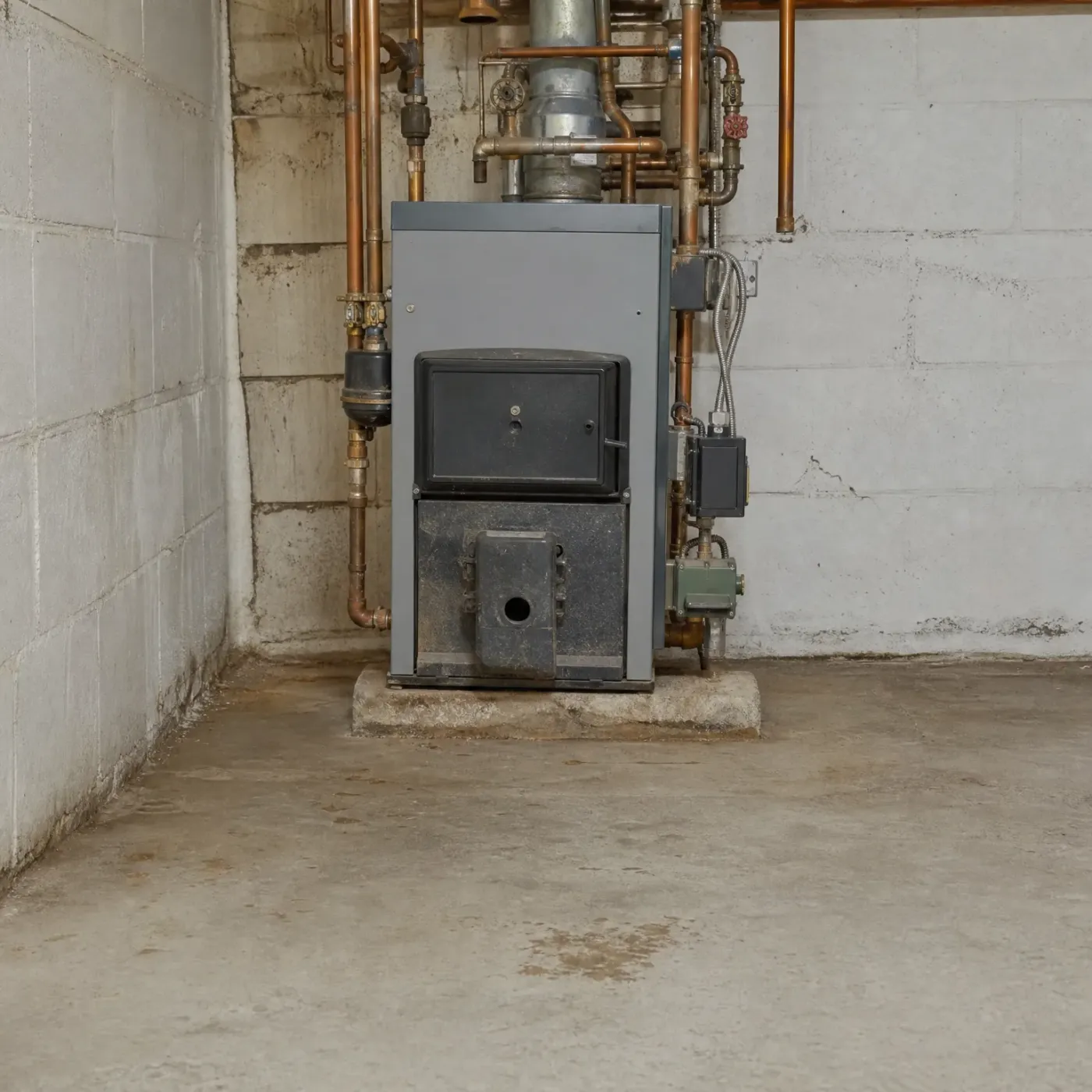
An oversized or undersized boiler shows itself fast. Rooms stay cold while it runs nonstop, or it cycles on and off all day. Either way the unit wears harder than it should, and the bill tells you something's off.
A boiler that's too big for your house short cycles. It fires, heats the rooms fast, shuts off, then fires again a few minutes later. You'll hear it click on and off more than it should, and the pipes may bang or tick as they heat and cool over and over. One that's too small runs long stretches without catching up, so the far rooms stay cool while the boiler keeps working. Either way, the parts inside wear faster than they should, from the pump to the valves, and a boiler that cycles wrong for years is a boiler you'll end up replacing sooner than you planned.
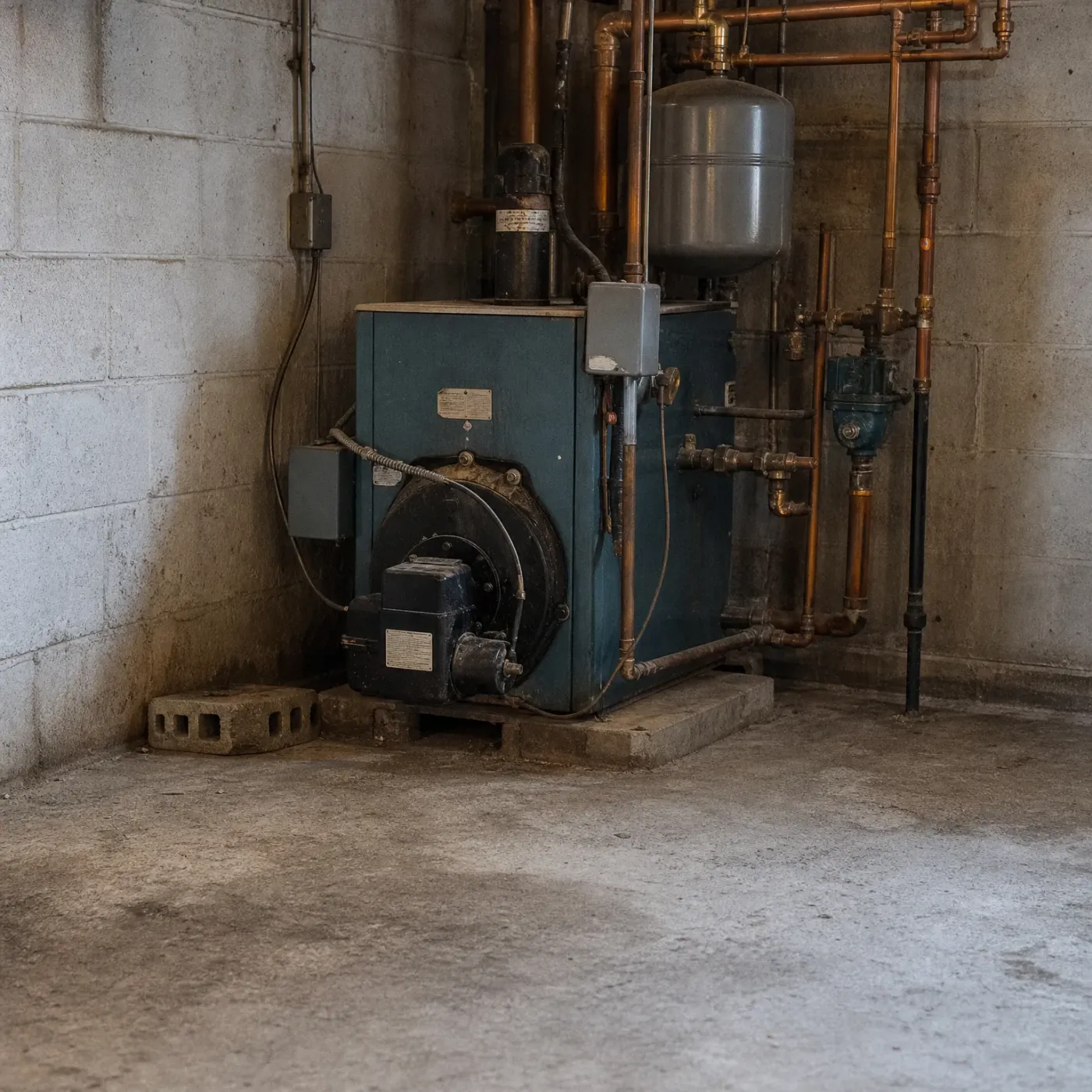
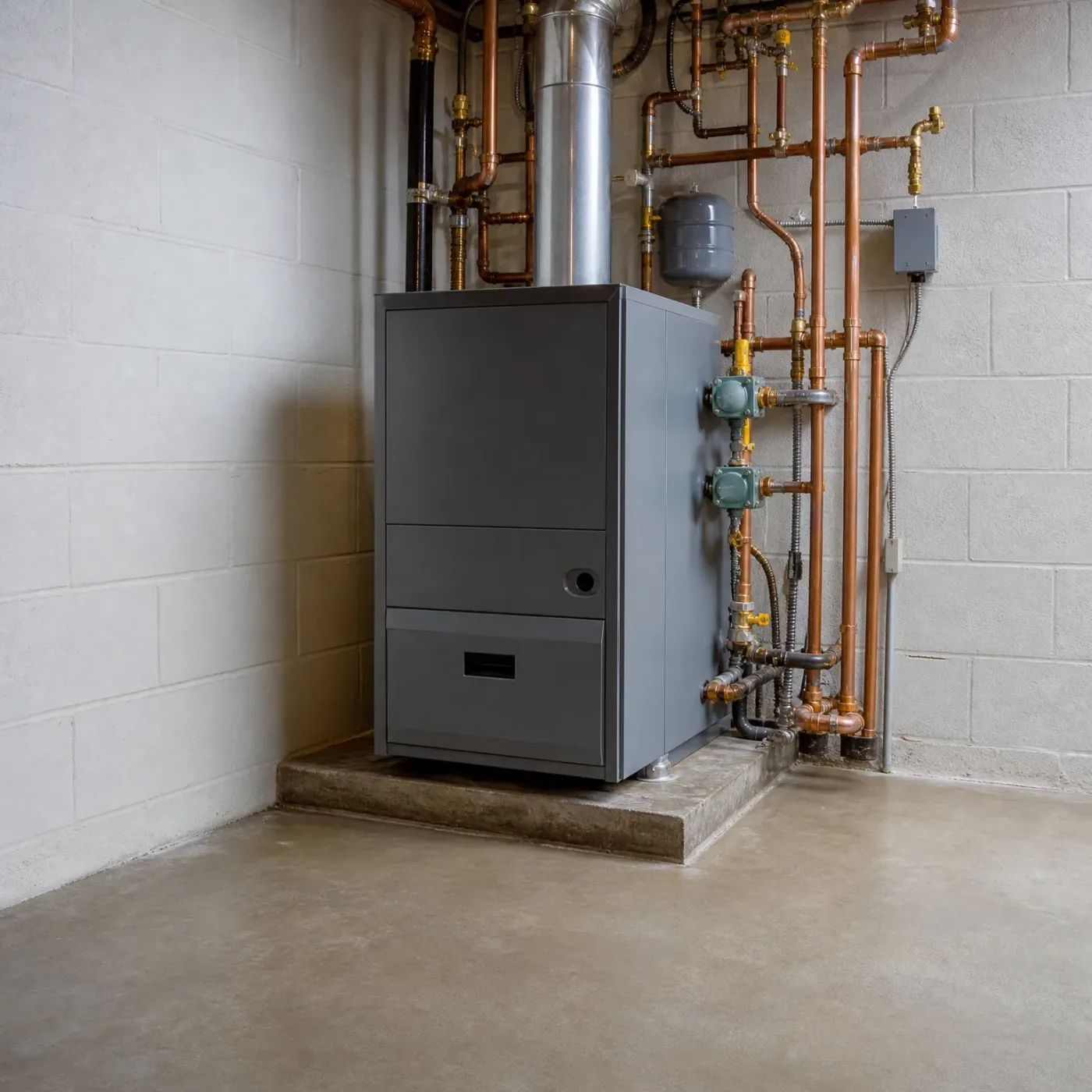
Skip collecting and comparing quotes for the new boiler.
Get in touch with a local installer about a new boiler.
Asking costs nothing, and the choice to hire stays yours.
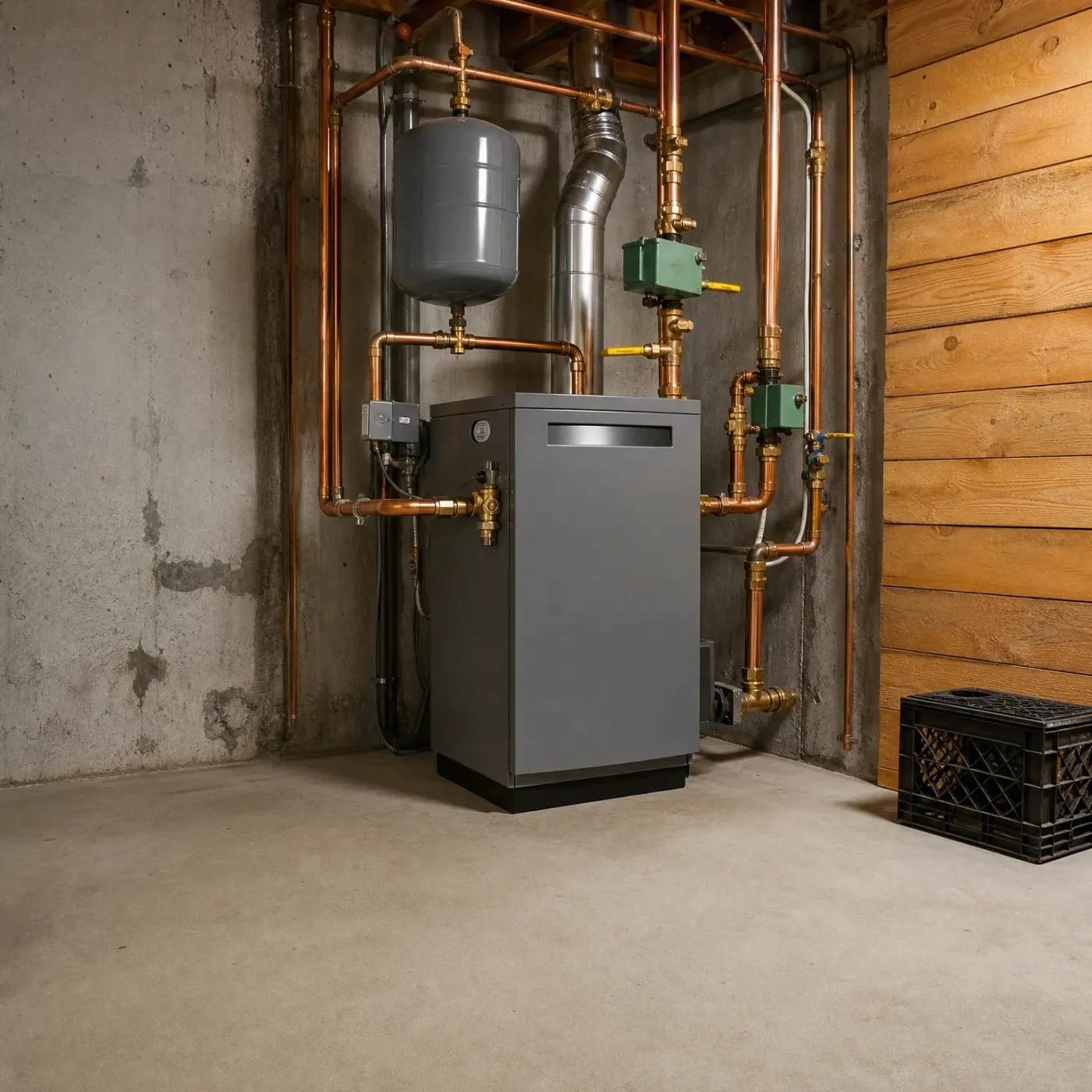
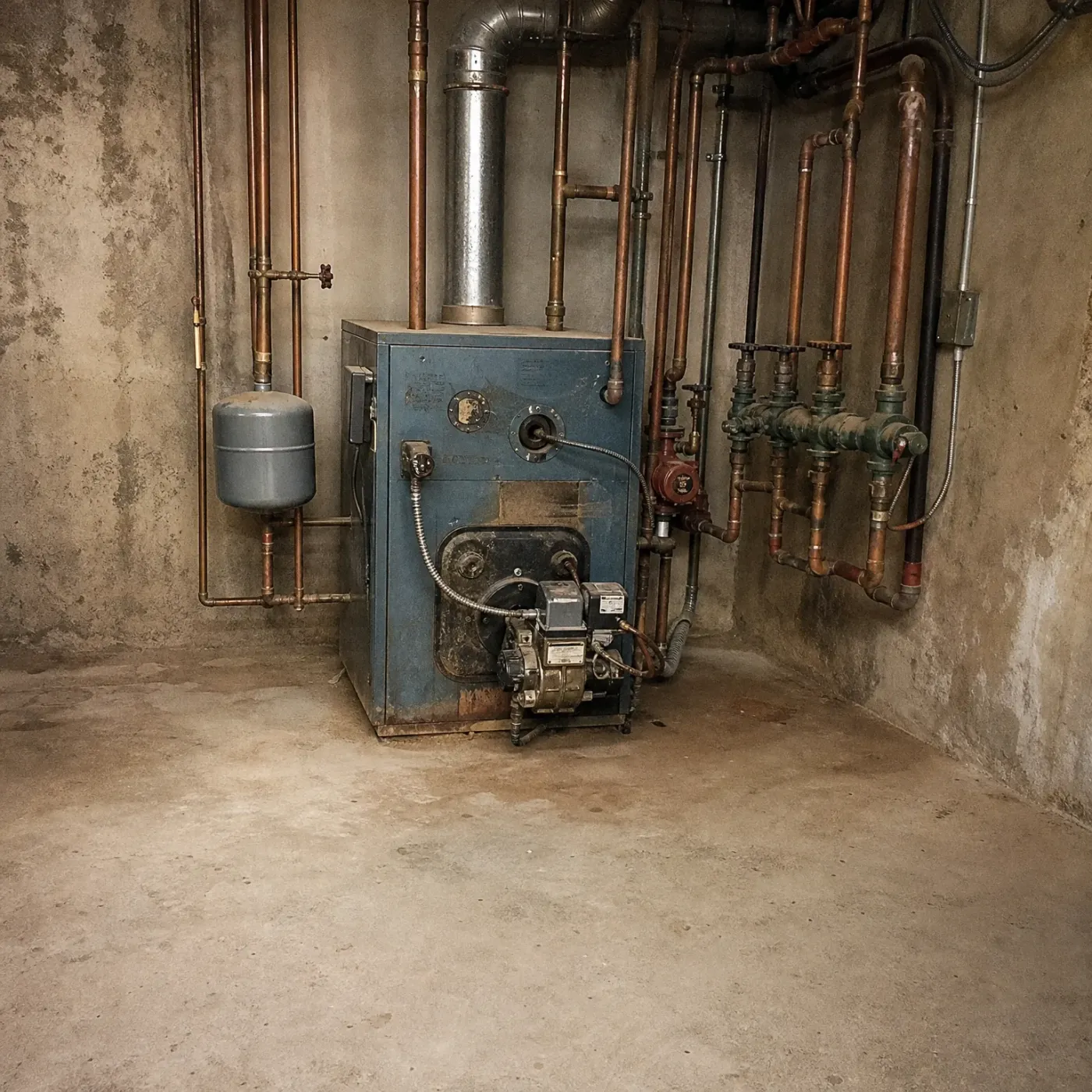




A contractor measures every room the boiler will heat
A contractor calculates heat loss for each room in the house
A contractor adds up BTU output needed to cover that loss
A contractor sizes the boiler, pipes and expansion tank to match
38°F is a typical night, not a cold snap, so your boiler is working most of the winter, not just on the worst days. A contractor sizing yours has to account for that steady load, not just the rare freeze.
NOAA nClimDiv 1991-2020 county normals weighted by homes
A heat loss calculation looks at every wall, window and ceiling in the house, not just the square footage, because two Mississippi homes the same size can lose heat at very different rates.
That's why a contractor measures your rooms instead of asking how many square feet the house is. The number on the deed doesn't tell you what the boiler needs to cover.


The right size for your boiler comes from a heat loss calculation on your house, not a square footage chart and not whatever boiler the last owner had. Too big and it short cycles, wearing out the pipes and the expansion tank faster than it should. Too small and it runs flat out on a 38 degree night and still can't keep the rooms warm. Getting that number right takes someone measuring your rooms, not a guess. Finding that someone is the part you can skip. Instead of searching for boiler contractors in your part of Mississippi, calling a handful, explaining the same thing about your house to each one, then sitting with a stack of quotes trying to tell them apart, you can be matched with a contractor who handles sizing and installation and let them reach out to you. The boiler itself still takes the measuring, the calculating, the install. That part doesn't get shorter. But the work of finding someone to do it does.
Skip the round of in-home estimates for a new boiler.