 Match me with a pro
How long a boiler lasts in Mississippi
A local installer who puts in boilers gets your project.
A boiler in Mississippi can run 15 to 20 years, sometimes longer if it was sized right for the house and the water quality hasn't beaten up the heat exchanger. Most homes here heat with electricity, so a boiler often gets lighter use than it would further north, and that can stretch its life. But age alone doesn't tell you much. A boiler from the 1990s might still be running fine, or it might be two winters from a cracked exchanger. What matters is what's happening inside it right now.
If yours is older and you're noticing it cycle more, make noise it didn't used to make, or keep tripping, that's usually the sign to start thinking about replacement rather than another repair. Waiting too long on that decision tends to mean finding out the hard way, on a cold morning with no heat.
Figuring out whether to repair or replace means someone needs to actually look at the unit. That's where most people get stuck. You end up searching for a contractor who installs boilers, calling two or three, explaining the same thing each time about the age of the unit and what it's doing, then waiting on quotes that come back with different numbers for reasons nobody explains clearly.
This page skips that part. Tell it a little about your boiler and your situation, and it matches you with a contractor who installs boilers and handles your kind of job. That contractor reaches out to you directly. No calling around, no repeating yourself to every name you find, no guessing which quote is the honest one.
What comes next is between you and the contractor who shows up. The part this page handles is getting you to someone qualified, in Mississippi, without the legwork.
A boiler in Mississippi typically lasts 15 to 20 years. Most homes here heat with electricity, so a boiler often runs only on the coldest stretches of the year rather than carrying the whole winter, and that lighter workload can stretch its life toward the higher end of that range. What shortens it is usually water quality and sizing. A boiler that's too big or too small for the house cycles more than it should, and that wear adds up over the years regardless of how little it runs. Once a boiler passes the 15 year mark, parts get harder to source and efficiency drops even if it hasn't failed outright. If yours came with the house and you don't know its age, that's worth finding out, since a boiler nearing the end doesn't always give much warning before it needs replacing rather than repairing.
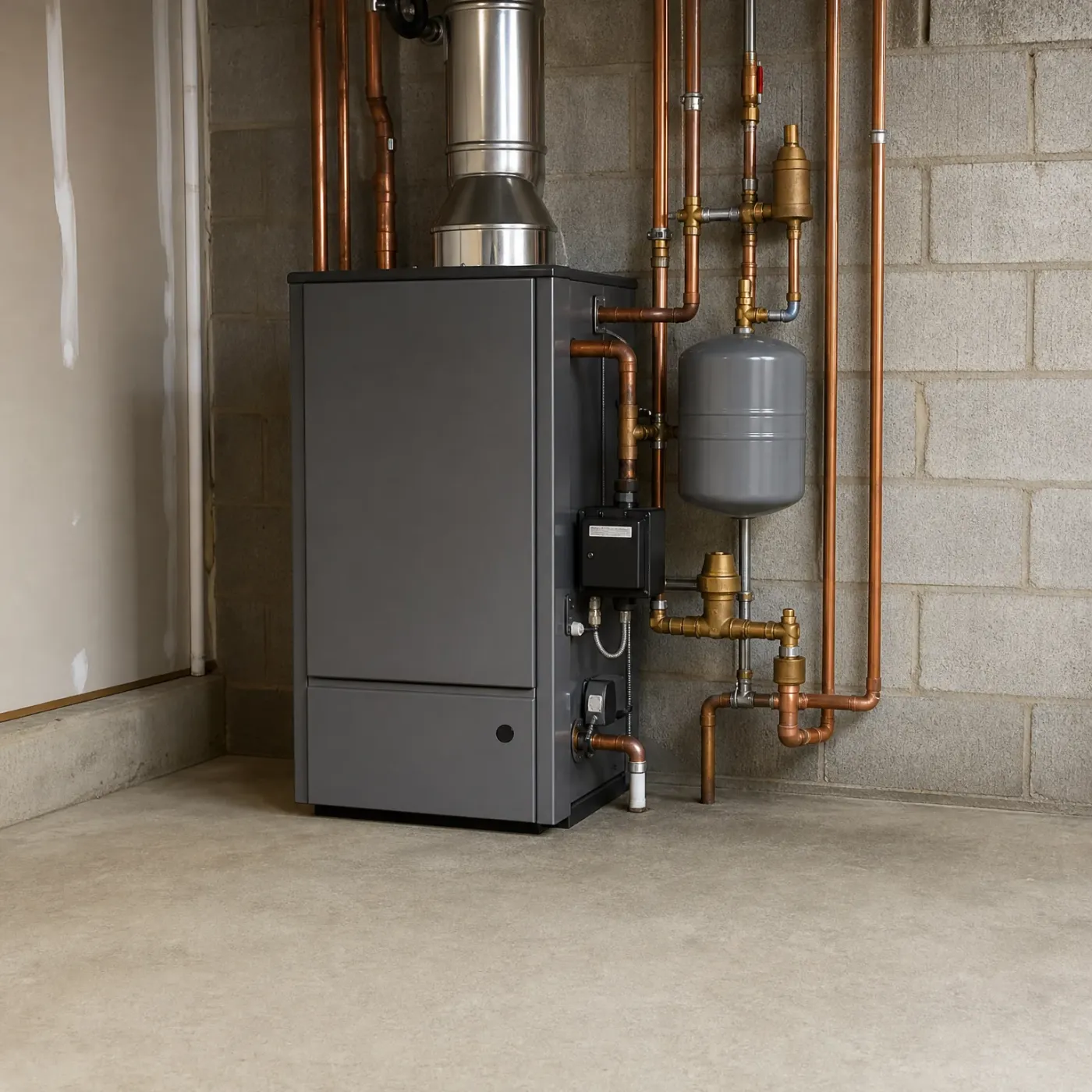
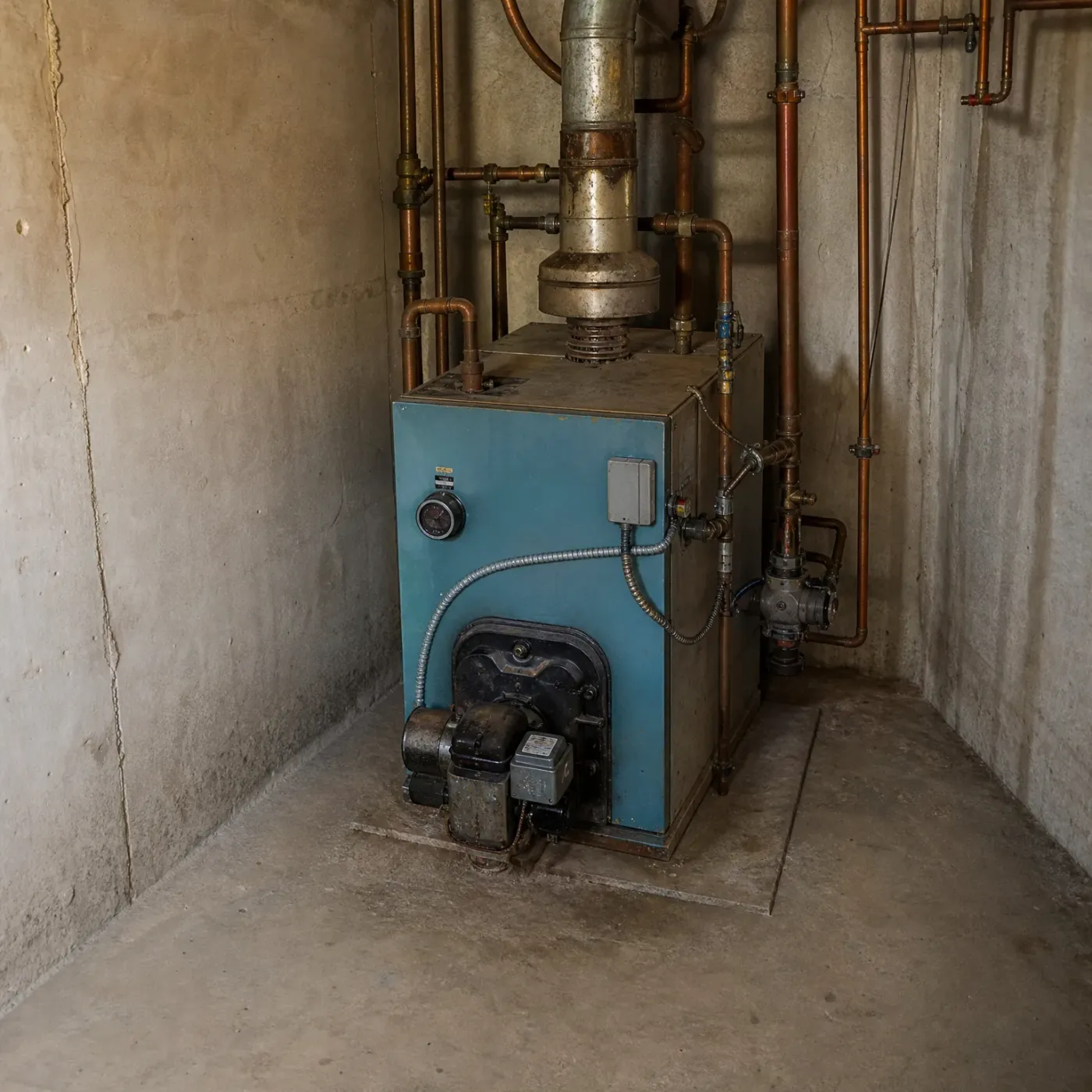
The heat exchanger is what ends a boiler's life. Everything else on the unit gets fixed along the way. A circulator pump or a zone valve wears out on its own, gets swapped, and the boiler keeps running like nothing happened. The exchanger is different. Years of mineral scale building up inside it force the burner to work harder for the same water temperature, and that extra strain is what eventually cracks it. Once that happens, there's no repair, only replacement. Watch for warning signs before it gets that far. Rust bleeding through the jacket or a corroded flue pipe usually shows up well before the exchanger itself gives out, and either one is worth having looked at. Short-cycling, where the unit fires on and off in quick bursts, almost always means it was sized wrong for the house, not that it's wearing out. Since most homes here heat with electricity, a boiler often sees fewer heating cycles over a winter, and fewer cycles mean less wear on both the ignition system and the exchanger over time.
How a boiler actually wears out
- A boiler's heat exchanger is the part that fails for good, since cracks there mean the unit gets replaced rather than repaired.
- Mineral scale builds up inside the exchanger over years of use and makes the burner work harder to reach the same water temperature.
- A corroded flue pipe or a jacket leaking rust often shows up before the heat exchanger itself actually fails.
- Circulator pumps and zone valves wear out on their own schedule and get replaced without touching the boiler's lifespan.
- A boiler that short-cycles, turning on and off in quick bursts, is usually sized wrong for the house rather than simply old.
- Low-use winters mean fewer heating cycles, and fewer cycles mean less wear on the ignition system and the exchanger itself.


A pro who works on boilers
A boiler that's pushing 20 years in Mississippi and starting to act up is worth getting looked at before it fails on you in January. Once you're ready to replace it, the usual run around starts: finding a few contractors, calling each one, explaining the same thing about your system and your house, then sitting on quotes trying to compare them against each other. That's the part worth skipping. Sizing a new boiler right, and fitting it to the water and venting you already have, matters more for how long it lasts than almost anything else, and that's a judgment call for whoever installs it, not something you can shop for over the phone. Hand off the search and let one contractor who actually covers your area reach out to you directly, so you can spend the time deciding on the system instead of chasing down who even does this work near you.
Signs Your Boiler Is Aging Out
- A boiler past 18 years in Mississippi is more likely to need a part that's no longer made for it.
- Short cycling, where the burner kicks on and off in quick bursts, is often the first sign the heat exchanger is scaling up.
- A jacket that feels warm to the touch or shows rust streaks near the base points to a leak starting inside.
- Because most homes here lean on electric heat, a boiler that's aging out may only announce itself on the handful of nights it gets pushed hard.
- A pilot or igniter that won't hold on the first try in cold weather is worth checking before the next cold snap, not after.
- Waiting until the unit fails outright usually means no heat during the exact week you need it most.
An aging boiler rarely goes quiet about it. Watch how it behaves on the coldest nights, since that is when it works hardest and when trouble shows first. If the burner is cycling on and off faster than it used to, scale has likely built up inside the heat exchanger and the unit is struggling to get water to temperature. Check the jacket itself. Warmth where there shouldn't be any, or rust streaking down near the base, usually means a leak has started inside and is working its way out. Past 18 years, there's another problem layered on top of the mechanical one: parts for that model may not be made anymore, so a repair that should take a day can turn into a search for a part that doesn't exist. Because most houses in Mississippi heat with electricity, the boiler might only run hard a handful of nights a winter, which means it can hide a real problem for a long stretch before it fails. A pilot or igniter that hesitates or won't hold on the first try in cold weather is telling you something now, while there's still time to act on it. The alternative is finding out when it simply doesn't come on during the week you need it most, and a cold snap is a hard time to be without heat in the house.
Winter nights average 38°F statewide
38°F is a mild low, not a deep freeze, which is why your boiler doesn't have to work as hard here as one up north. Less strain most nights means less wear on the heat exchanger over the years.
NOAA nClimDiv 1991-2020 county normals weighted by homes

So that's where your boiler stands
Fifteen to twenty years is the real range for a boiler in Mississippi, and where yours falls in that range comes down to how it was sized, what the water's done to the heat exchanger, and how it's held up this last winter or two. A jacket that's warm to the touch, short cycling, or scale buildup are the signs it's closer to the end than the middle.
If yours is getting up there and you're starting to think about what comes next, you don't have to be the one who tracks down a handful of contractors, gets on the phone with each one, and explains the same situation over and over before you can even compare what they'd charge. Answer a few questions about your house and your boiler, and a contractor who installs them for homes like yours in Mississippi will reach out to you directly.

Get your boiler to the right pro
Describe your boiler job once, to one pro.