
Boiler pilot light keeps going out in Mississippi
Why does my boiler's pilot light keep going out?
A pilot that won't stay lit is one of the more frustrating boiler problems, especially since most homes in Mississippi heat with electricity and a boiler is already the exception in the house. When it keeps going out on you, it's not random. Something specific is interrupting the gas flow or the flame itself, and it will keep happening until that part gets fixed.
A dirty or failing part near the pilot is putting it out, not a draft
Most often the cause is a thermocouple that's worn out or coated in soot. That's the small sensor that sits in the pilot flame and tells the gas valve the flame is lit. Once it wears down or gets dirty, it reads the flame as out even when it's burning, and the valve shuts the gas off. A clogged pilot orifice or a draft from a flue that isn't drawing right can do the same thing. None of these get better on their own. If your boiler came with the house, that thermocouple has likely never been replaced, and it's the first thing worth having checked.
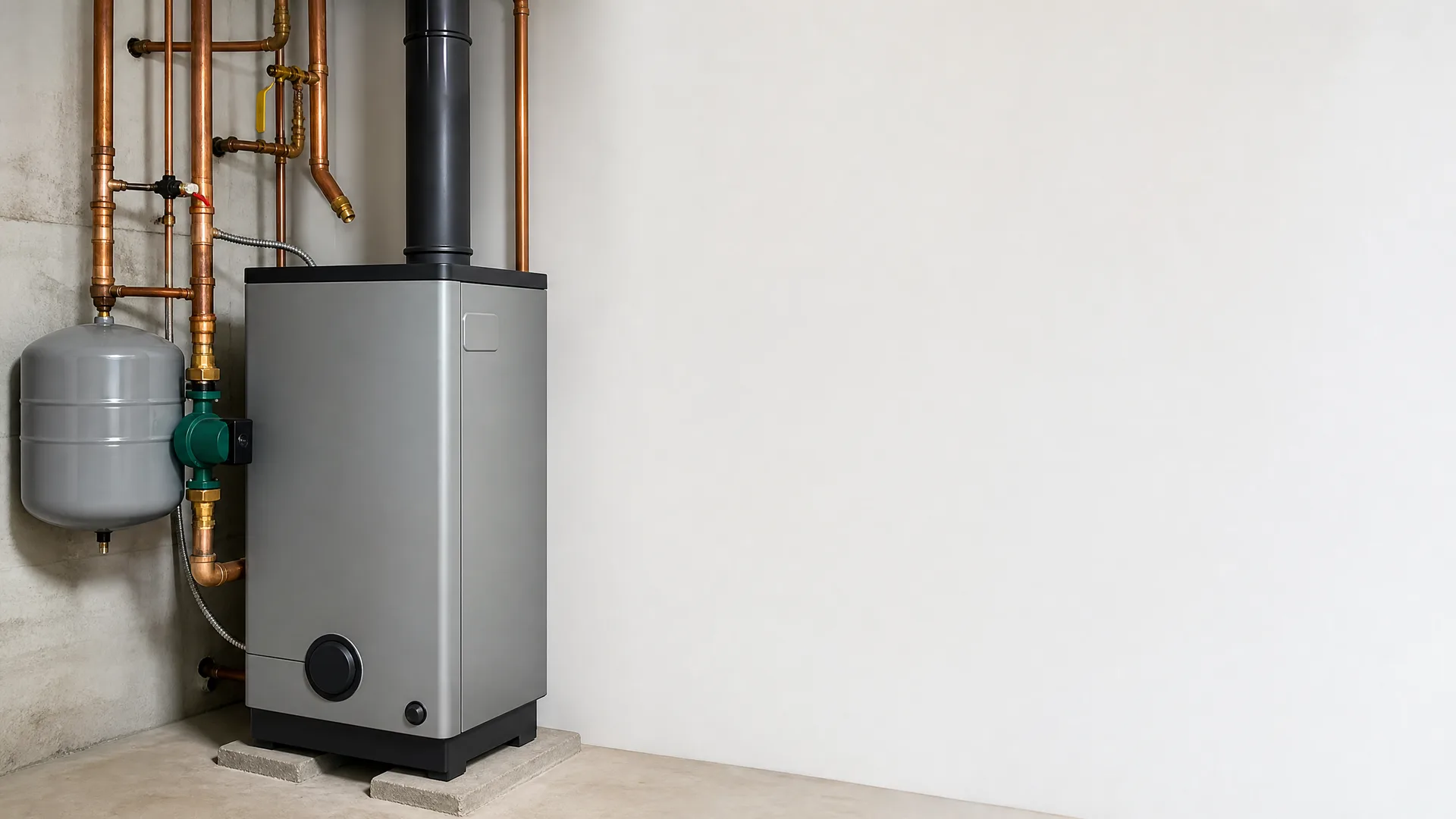
What a thermocouple actually does
A thermocouple sits in the pilot flame and tells the gas valve the flame is burning. When the metal wears out or sits out of position, it reads the flame as out even though it's lit, and the valve shuts the gas off. This is the most common reason a pilot won't hold once it's been relit, and a contractor can test the part directly instead of guessing at it.
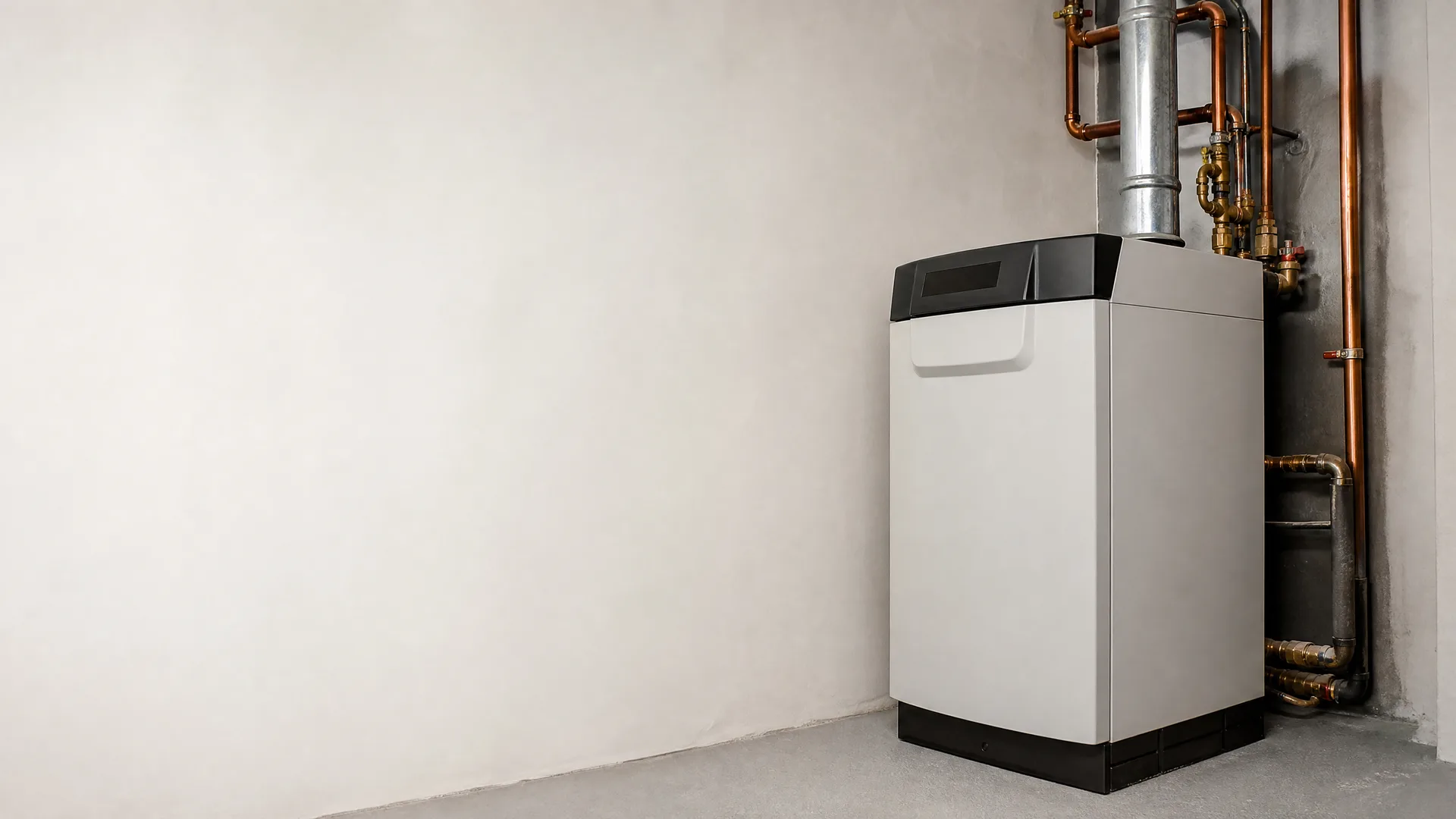
A draft can do this too
Boilers built with an open pilot or standing pilot rely on a small, exposed flame. Any draft strong enough to move that flame, from a vent, a door, or a gap near the unit, can snuff it out. If the pilot only goes out on windy days or after a door slams nearby, the cause is more likely airflow than a failing part, and a contractor can trace where that draft is coming from.
Thermocouple or Draft: Which Is It
Thermocouple problem
- The flame touches the thermocouple tip but the valve still reads it as out, which points to a worn or misaligned sensor rather than a gas supply issue.
- A thermocouple that's drifted even a little out of the flame will cause the pilot to drop out minutes after you relight it.
- This part wears down over years of use and doesn't get better on its own once it starts failing.
- A contractor can test the thermocouple's millivolt output directly, which tells you for certain whether it's the sensor or something else down the line.
- Replacing it is a contained job since it's one part with one function, so there's little guesswork once it's confirmed as the cause.
Draft or venting issue
- If the pilot goes out mainly on windy days or when a door slams nearby, air movement reaching the pilot chamber is the more likely cause.
- A cracked or loose flue connection can let a draft reach the pilot even though the boiler sits in a closed mechanical room.
- This kind of problem can come and go with the weather, so a pilot that stays lit for a week and then quits isn't unusual.
- Fixing a draft issue means finding where the air is getting in, which can take more time to track down than swapping a part.
- Left alone, a draft problem tends to keep recurring since the pilot itself was never what was wrong.




The right pro for this job

One request and the search for a pro is handled.
No fee to send it, and nothing to sign.
When the problem is airflow, not the sensor
- A pilot with a strong, steady flame that still drops out points to a draft problem rather than the thermocouple.
- Boilers vented through an older chimney can lose draft on windy days, pulling the flame sideways off the thermocouple.
- A dirty pilot orifice starves the flame of gas, so it burns small and weak and drops out under any draft at all.
- Condensation or soot built up around the pilot assembly can choke the flame the same way a draft does.
- A gas valve itself can fail and cut supply to the pilot even when the thermocouple is reading the flame correctly.
- If the pilot relights and holds once the burner compartment door is off, airflow around the pilot is the likely cause.
A thermocouple that's worn or out of position is the most common reason a pilot won't stay lit, but it isn't the only one. If the flame looks strong and steady and still goes out, the cause is more likely something moving air around it than the sensor itself. Boilers vented through an older chimney depend on steady draft to carry exhaust up and out, and on windy days that draft can reverse or pull sideways, tugging the pilot flame off the thermocouple tip long enough for the valve to cut gas to it. A pilot orifice that's gathered dirt or dust over time restricts how much gas reaches the flame, so instead of burning tall and blue it burns low and weak, and a flame that small has no resistance to any draft at all. Soot or condensation collecting around the pilot assembly chokes it in much the same way, smothering a flame that would otherwise hold. Less often, the gas valve itself is the problem, failing in a way that interrupts supply to the pilot even though the thermocouple is reading the flame correctly and telling the valve to stay open. One way to narrow it down without guesswork: if the pilot lights, holds steady, and stays lit once the burner compartment door is removed, the issue is airflow around the pilot rather than a bad sensor or valve, and that points a contractor straight at the vent or the orifice instead of the thermocouple.
Winter nights average 38°F statewide
Those 38°F nights are enough to keep a boiler cycling most of the night to hold the house steady. Every cycle relights the pilot, and a thermocouple that's already worn or out of position gets more chances to fail. A pilot that won't hold through a 38-degree night usually means it can't hold through any night this winter.
NOAA nClimDiv 1991-2020 county normals weighted by homes
A pilot that keeps going out almost always comes down to a worn thermocouple, a draft pulling the flame off it, or buildup in the orifice feeding it. None of those fix themselves, and relighting it every few hours isn't a repair, it's just you doing the boiler's job for it while the real cause sits there. With a boiler already carrying the heat for the house through nights in the 30s and 40s, a pilot that won't hold is one less thing standing between your family and a cold house. Once you send the form, you're done hunting for who can look at it. A contractor who works on boilers gets your information and reaches out to you directly, so the next call about this isn't one you have to make.





Matched to your boiler job
Send it once and finding someone is no longer on you.
Sending the form costs nothing.